

Ever wondered why black tea tastes bitter, even when you think you're brewing it right? You're not alone. Bitterness in tea can happen for several reasons. Tea leaves contain tannins and polyphenols, and when you brew incorrectly, these compounds create that unpleasant, astringent taste. Most black tea requires at least 3-5 minutes to brew properly. Going beyond that releases too many tannins. Here's the good news: a strong cup doesn't need to be bitter. Whether you're asking yourself why your tea tastes bitter or why black tea tastes so bitter every single time, the answer lies in your brewing method. This piece will show you how to fix it.
Key Takeaways
Master these essential brewing techniques to transform bitter black tea into a smooth, flavourful experience every time.
- Time your brew precisely: Steep black tea for 3-5 minutes only - longer extracts harsh tannins that create bitterness
- Use proper water temperature: Heat water to 200-212°F, then wait 30 seconds after boiling to prevent burning delicate flavours
- Choose whole leaf over dust: Larger tea leaves release compounds gradually, whilst small particles extract bitter compounds too quickly
- Get your ratios right: Use 1 teaspoon of loose-leaf tea per 8 ounces of water - too many leaves concentrate bitter compounds
- Invest in quality tea: Single-origin, whole leaf teas offer balanced flavour profiles that are naturally less prone to bitterness
Remember, strong tea doesn't have to be bitter. When your brew tastes harsh, increase the amount of tea leaves rather than extending the steeping time. Proper technique transforms the same tea leaves from astringent disappointment into a perfectly balanced cup.
What Makes Black Tea Taste Bitter?
Natural Compounds in Tea Leaves
Black tea contains several compounds that contribute to bitterness. The main source comes from methylxanthines, which include caffeine and theobromine. Tea plants produce these as a natural defence against insects. Younger buds and leaves contain higher concentrations of caffeine and catechins, which makes certain teas more prone to bitterness. Catechins account for 70%-80% of total tea polyphenols. These compounds are identified as bitter and provide astringency. Besides catechins, free amino acids influence taste. Different amino acids contribute bitter and sweet flavours, while others add fresh notes. The bitterness and astringency you experience result from the combination of tea polyphenols, caffeine and some amino acids.
How Oxidation Affects Flavour
Catechins present in fresh leaves convert to new types of polyphenols during oxidation, theaflavins and thearubigins. This process changes why black tea tastes bitter compared to green tea. Theaflavins and thearubigins contribute to the dark colour of oxidised teas and create astringency without bitterness. 10% of catechins become theaflavins, and nearly 90% become thearubigins. Theaflavins provide briskness and brightness. Thearubigins contribute body and colour depth with a smoother mouthfeel. Lower levels of catechins and higher levels of theaflavins cause an increase in astringency but a decrease in bitterness with further oxidation. Hence, oxidised black tea can feel strong without tasting harsh.
Why Some Teas Are More Bitter Than Others
Leaf size affects extraction speed. Smaller particles expose more surface area to water and allow compounds to dissolve faster. CTC black tea, with its small particle size, extracts quickly and can be bitter. Caffeine is one of the first compounds released from tea leaves when brewing. Chopped leaves or fannings release it even more quickly. Processing determines which compounds are present and how they behave when brewing.
The Main Reasons Why Your Black Tea Always Tastes Bitter
Brewing mistakes account for most cases of why does my tea taste bitter. Understanding these common errors helps you avoid them consistently.
Oversteeping Releases Too Many Tannins
Tannins flow from the leaves into your water as you steep tea. Black tea should steep for 3 to 5 minutes. Steeping for less than 3 minutes produces weak, flavourless tea. Steeping beyond 5 minutes makes it bitter. These tannins create astringency, the dry, puckering sensation in your mouth. So, prolonged steeping extracts more tannins and makes your tea harsh. The floral or subtle notes get overshadowed by dominating bitterness. If you want stronger tea, use more leaves rather than extending the steeping time.

Boiling Water Burns Delicate Flavours
Black tea needs water between 200°F and 212°F. Water at these temperatures extracts flavour without burning the leaves. Water that exceeds this range over-extracts polyphenols and causes astringency. This altered flavour prevents the tea from delivering its full potential. More so, boiling water extracts compounds too quickly and brings out harshness. Allowing boiled water to cool for 30 seconds before pouring encourages smoother extraction.
Poor Quality or Stale Tea Leaves
Lower-quality teas contain higher tannin levels. Small leaf particles in dust and fannings expose more surface area to water and release bitter compounds faster. Chopped or broken leaves release caffeine and tannins more quickly. Teas also go stale over long-term storage, and most benefit from fresh consumption. Your green tea needs replacing if it has turned brown or smells like the spice cupboard.
Wrong Tea to Water Ratio
Excessive tea leaves increase bitter compound concentrations in your cup. The standard ratio calls for 1 teaspoon of loose-leaf tea per 8 ounces of water. Too many leaves yield overpowering, bitter tea. Too few produce watery, bland results. Overloading your teapot intensifies bitterness. Reduce the amount of leaves if your brew tastes bitter after a short infusion.
Your Brewing Vessel Matters
Porcelain tea sets relate to the sweetness of brewed tea. Different materials affect heat retention and extraction rates. Rapid heat loss disrupts steeping time and flavour balance. Vessel shape influences how you sip and experience aromatics beyond material. Choosing appropriate teaware supports better temperature control throughout the brewing process.
Practical Steps to Brew Better Black Tea
Correcting these mistakes requires attention to specific brewing parameters that change why black tea tastes bitter into a pleasant experience.
Start with the Right Water Temperature
Black tea performs best with water between 203°F and 212°F. Wait 30 seconds before pouring after your kettle reaches a full boil. This brief pause prevents burning delicate notes while maintaining adequate heat for proper extraction. Water that's too cool fails to extract flavour molecules.
Time Your Brew Accurately
Set a timer for 3 to 5 minutes when steeping. Even one minute beyond this window makes tea undrinkable. Add more leaves rather than extending steep time for a stronger flavour. Caffeine and tannin particles release about two minutes into brewing, so precise timing prevents excessive astringency.
Choose Whole Leaf Over Dust and Fannings
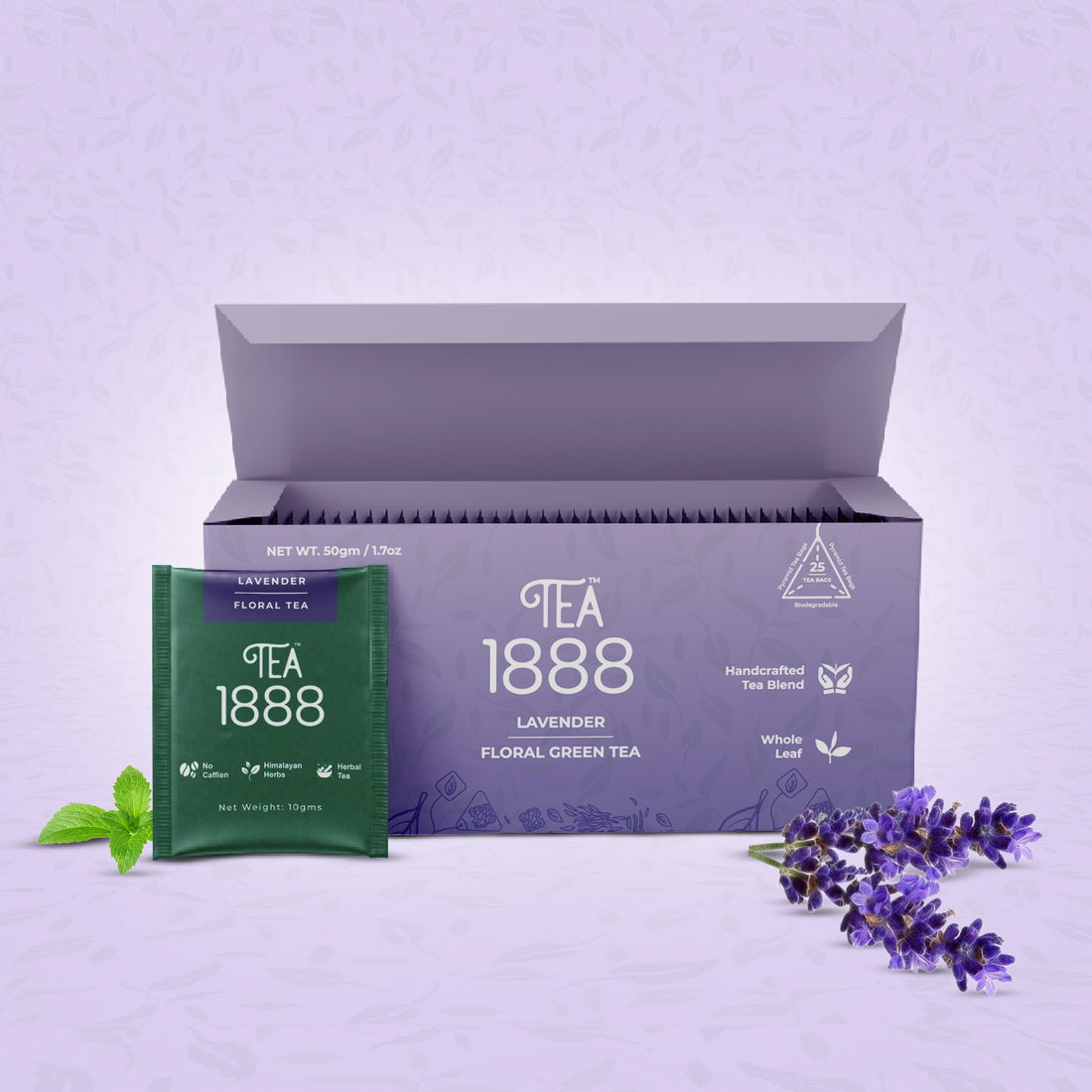
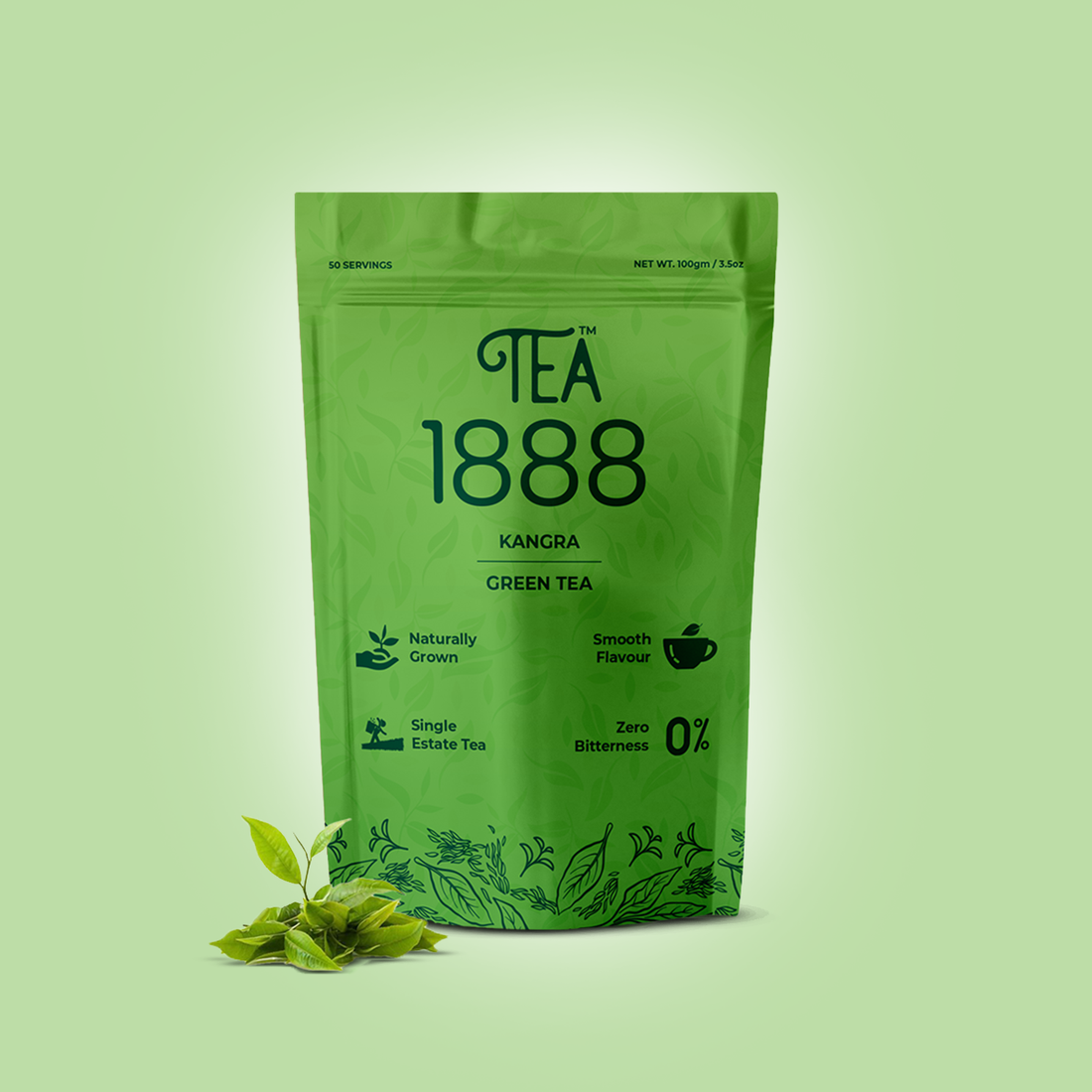
Whole leaf teas deliver richer, more complex flavours than dust or fannings. Fannings and dust consist of small particles that brew fast but lack complexity. These smaller grades expose greater surface area to water and release bitter compounds faster. Check out the wide range of flavours of black tea by tea1888. Enjoy the bitter-free Black tea.
Store Your Tea Properly
Keep tea away from light, heat, moisture and strong odours. Store in opaque, airtight containers at temperatures below 25°C. Black tea maintains freshness for up to two years when stored right. Avoid humid areas and never refrigerate opened tea.
Choosing Black Tea That Won't Taste Bitter
Selecting quality tea from the start reduces why black tea tastes bitter before you even begin brewing.
Look for Larger, Whole Leaf Teas
Whole leaves infuse gradually and release compounds in sequence. They maintain balance longer. Higher grades contain whole or minimally broken leaves with higher bud presence. This provides predictable extraction. Larger unbroken leaves correspond to higher grades. They produce a more delicate, nuanced and complex drink. Broken leaves and tea dust expose more cell walls. Fannings and dust represent the lowest grades of tea. They release catechins faster and spike bitterness early in brewing. Choosing whole-leaf varieties answers why my tea always tastes bitter with mass-market options.
Single Origin Teas Offer Better Flavour
Balanced flavour profiles that are less prone to bitterness come from single-origin teas. These teas offer distinct characteristics from specific regions. Assam and Ceylon varieties deliver body and warmth with a clean finish. This makes them excellent choices for Indian priorities. Single estate teas provide traceability and transparency about growing conditions.
What to Avoid When Buying Tea
Tea with a dusty texture and dark brown appearance should be avoided. Check out the wide range of flavours of black tea by tea1888. Enjoy the bitter-free Black tea. CTC processing destroys natural flavour complexity and depth. Good quality tea maintains consistent leaf shape and size. Quality suffers when leaves look burnt or overly dark rather than brownish-red
Conclusion
You now have everything you need to brew black tea without bitterness. The secret lies in timing and choosing quality whole leaf tea over dust and fannings. Fix these common mistakes in your current brewing method. You'll notice the difference right away. Strong tea doesn't need to be harsh or astringent. Experiment with these techniques and adjust your ratios. Enjoy the process. Your cup of smooth black tea is just a proper brew away.
FAQs
Q1. Should black tea naturally taste bitter? Black tea doesn't need to taste bitter. Whilst tannins are essential for black tea's character, proper brewing techniques, using the right temperature (200-212°F), steeping for only 3-5 minutes, and choosing quality whole leaves, will produce a strong yet smooth cup without harsh bitterness.
Q2. Why does my black tea always turn out bitter, no matter what I do? The most common causes are using boiling water that's too hot, steeping for longer than 5 minutes, or using low-quality tea dust and fannings. Try letting boiled water cool for 30 seconds before pouring, timing your steep precisely, and switching to whole leaf tea for better results.
Q3. Can I reuse the same tea leaves for multiple brews? Yes, you can brew quality whole-leaf black tea multiple times using the gong fu method. Use more leaves than usual but steep for only 20-30 seconds initially, then gradually increase steeping time by 5-10 seconds for each subsequent brew. This method often produces less bitter tea.
Q4. Does the temperature of water really affect bitterness in black tea? Absolutely. Water temperature significantly impacts bitterness. Black tea brews best between 200-212°F. Water that's too hot over-extracts polyphenols and tannins, creating harsh astringency. Letting boiled water cool for 30 seconds helps achieve smoother extraction.
Q5. Should I use more tea leaves or steep longer for a stronger cup? Always add more tea leaves rather than extending the steeping time. Steeping beyond 5 minutes releases excessive tannins, making your tea bitter. Using additional leaves whilst maintaining the 3-5 minute steeping window produces a stronger flavour without harshness.