

Traditional chai has been cherished in India as a comforting ritual for centuries. It blends black tea with warming spices like cardamom, ginger and cinnamon. Learning about flavoured tea vs traditional chai means choosing between two distinct experiences. Traditional chai offers a single, familiar flavour profile that is strong and milk-based. Flavoured tea opens up a world of variety. You get floral notes and herbal infusions, citrus tones and light spice blends. These different flavoured tea options are crafted from real ingredients. They create layered tea flavour profiles that evolve with each sip. You might be drawn to chai's comforting strength. Or you might be curious about refreshing tea options and aromatic tea blends. This piece will help you find which suits your taste and lifestyle.
Key Takeaways
Understanding the differences between traditional chai and flavoured tea helps you choose the perfect brew for any moment or mood.
- Traditional chai offers consistent comfort with its single, robust flavour profile, requiring 10-20 minutes of boiling spices, tea, and milk together
- Flavoured tea provides evolving taste experiences through naturally crafted combinations, brewing quickly in 2-5 minutes with simple steeping methods
- Chai demands milk to balance its intensity, whilst flavoured tea shines both with and without milk, offering versatile, refreshing options
- Choose chai for daily comfort rituals and warming moments; opt for flavoured tea when seeking variety and lighter alternatives throughout the day
- Both tea types serve different purposes in your routine chai for familiar indulgence, flavoured tea for exploration and refreshment
The beauty lies in having both options available, allowing you to match your tea choice to your mood, time of day, and desired experience.
Understanding Traditional Chai and Flavoured Tea

What Makes Traditional Chai Unique
Masala chai translates to "spiced tea" and revolves around a fixed foundation. Black tea forms the base. Assam tea works well, given its strong, full-bodied character that harmonises with spices. The spice blend has cardamom, ginger, cinnamon, cloves and black pepper, though regional variations exist. Milk and sugar complete the composition and create a sweet, creamy beverage that's boiled together rather than steeped. This simmering process extracts intense flavour from each ingredient and results in a single, dominant taste experience that remains consistent cup after cup.
Different Flavoured Tea Options
Flavoured tea opens up a different world. These blends combine tea leaves with added elements through distinct methods: inclusions (dried fruits, flower petals, spice pieces), scenting (fresh flowers like jasmine absorbing their aroma into tea leaves), or natural oils and extracts. The variety stretches from floral combinations like rose and chamomile to fruity infusions featuring berries and citrus. You'll find options blending green tea with lemon or black tea with bergamot. Each variety provides layered taste profiles that evolve as you sip, with different notes revealing themselves throughout the drinking experience.
Flavoured vs Unflavored Tea: The Simple Difference
The core difference lies in complexity and flexibility. Unflavored tea relies on the tea leaf itself, shaped by growing conditions, processing methods and terroir. Flavoured tea introduces additional taste dimensions through crafted ingredients. Traditional chai delivers one recognisable flavour profile each time, while different types of flavoured tea provide multiple taste experiences. Flavoured tea brews lighter and can be enjoyed without milk, making it a refreshing tea option for those seeking something beyond the strong, milk-based chai experience.
Taste and Preparation Differences

How Traditional Chai is Prepared
To prepare traditional chai, you need a longer and more involved process. You combine water, black tea leaves and crushed spices in a saucepan and bring the mixture to a boil before you reduce the heat. The tea simmers for several minutes and allows flavours to infuse deeply. Milk is then added. The entire mixture simmers for another few minutes until heated through. The total process often takes 10-20 minutes. You need repeated stirring and ladling to prevent sticking. This extended boiling extracts oils from spices and thickens the milk a bit. The result is a single, robust flavour profile that remains consistent with every cup and creates that signature silky texture.
Brewing Flavoured Tea: Simple and Quick
Flavoured tea follows a simpler steeping method. You heat water to the appropriate temperature based on the tea type: black teas brew best at 95-98°C for 3-5 minutes, whilst green teas require cooler water at 55-70°C for 2-3 minutes. The tea leaves steep without boiling and preserve delicate flavour compounds in blends made from real ingredients. This gentler approach takes far less time, 2-5 minutes total. The straightforward process makes different types of flavoured tea available for daily enjoyment without extensive preparation.
Comparing the Taste Experience
Traditional chai delivers a full-force sensory experience. The spices hit your palate right away and create warm sensations with a creamy, full-bodied texture. Each sip tastes similar and provides that comforting familiarity that chai lovers cherish. Flavoured tea offers evolving taste profiles. Naturally crafted flavour combinations reveal different notes as you sip: floral undertones might emerge first, then subtle fruit or herbal layers. These aromatic tea blends feel lighter and more refreshing. You can taste the tea itself alongside complementary flavours rather than a single dominant taste.
Milk-Based vs Non-Milk Tea
Chai demands milk to balance its intensity and soften the tannins from strong black tea. Without milk, chai becomes quite aggressive and astringent. Flavoured tea shines both ways. You can enjoy it as a light tea without milk and experience pure, refreshing tea options that highlight natural ingredients. Add milk, and it creates a gentler alternative to strong chai. This offers versatility for different moods and moments throughout your day.
Types of Flavoured Tea You Can Try

Fruity Flavoured Teas
Different types of flavoured tea begin with fruity options that range from berries to tropical notes. Peach, mango, strawberry and blueberry infusions blend with black, green or herbal bases and create refreshing tea options. Citrus combinations with lemon, orange and pomegranate add tangy brightness, whilst combinations like cranberry-apple or raspberry-orange deliver tart sweetness. These blends made from real ingredients offer sweet profiles without added sugar.
Herbal and Floral Blends
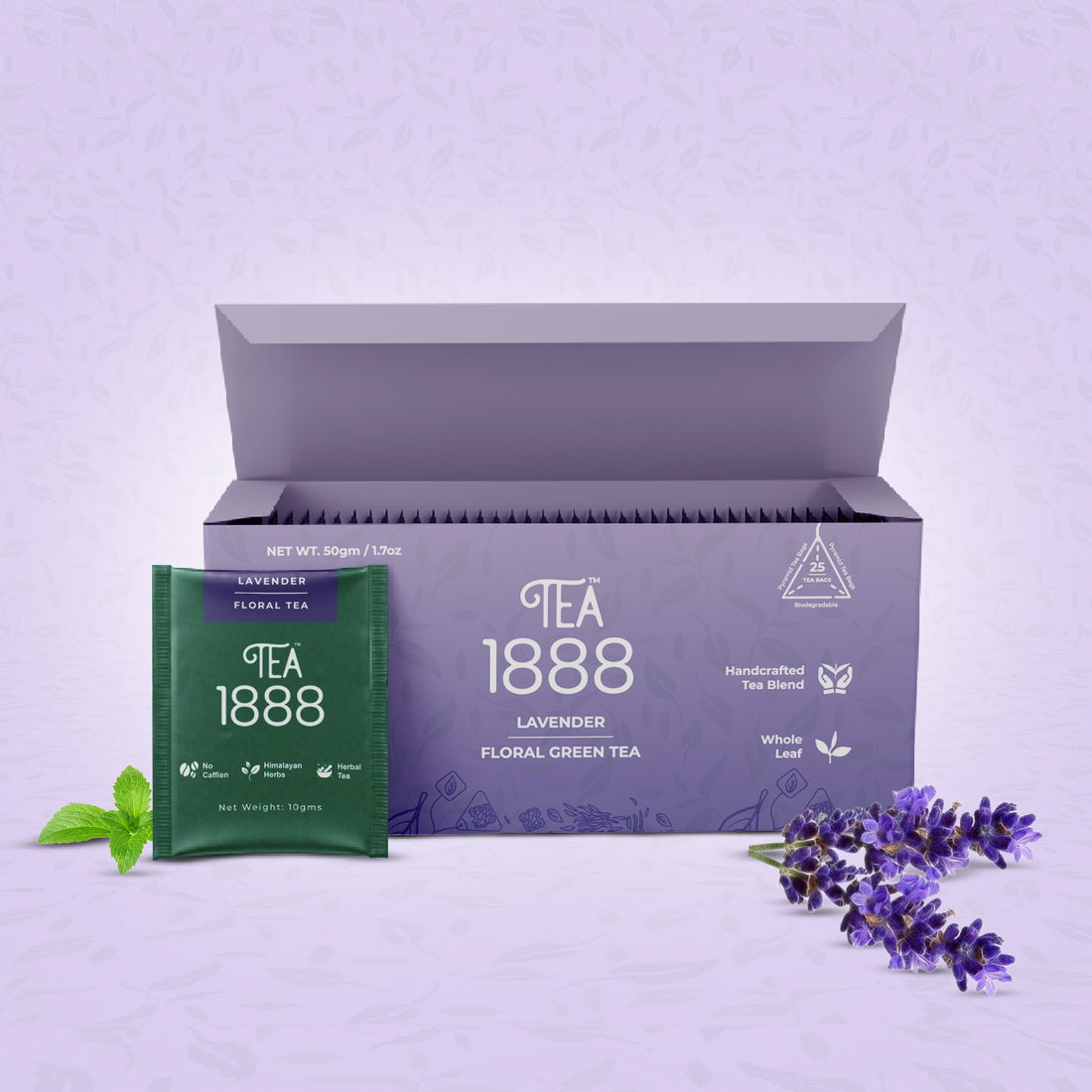
Jasmine remains a classic. Green tea leaves are layered with fresh jasmine flowers until they absorb the delicate aroma. Rose petals, lavender and chamomile create soothing aromatic tea blends known for calming properties. Hibiscus delivers a tart, cranberry-like taste, whilst butterfly pea flower offers visual appeal with its colour-changing qualities.
Spiced Tea Variations
Spiced tea variations incorporate ginger and cinnamon in lighter combinations beyond traditional chai. These crafted flavour combinations work with black, green or rooibos bases and offer warming notes without the intensity of milk-based chai.
Green Tea with Added Flavours
Green tea pairs well with mint, jasmine, lemon and fruit infusions. Options include Moroccan mint, strawberry, pomegranate and tropical blends with mango or passion fruit. These provide light tea vs strong chai alternatives. Black Tea Flavoured Options Earl Grey guides black tea flavoured options with bergamot oil, whilst vanilla, cherry, apricot and berry combinations add depth. These different flavoured tea choices deliver robust yet nuanced tea flavour profiles.
Which Tea is Right for Your Lifestyle?

For Daily Comfort and Ritual
Chai leans toward comfort and familiarity. The spices warm the palate, milk adds body, and sweetness rounds everything out. This creates a drink that slows things down. Cold mornings, rainy afternoons and long conversations fit with this rich, spiced brew. Traditional chai feels cosy and indulgent, making it the go-to choice when you crave that consistent, warming ritual.
For Variety and Experimentation
Flavoured tea stays refreshing and versatile. Different types of flavoured tea allow you to explore floral notes and herbal infusions without the heaviness of milk-based options. These crafted flavour combinations change depending on what you choose: black tea offers depth, green tea feels fresh and grassy, whilst white or oolong brings softer, more delicate notes. That variety makes refreshing tea options easier to revisit several times daily.
Light Tea vs Strong Chai Based on Preference
Strength comes down to brewing technique and personal taste. Light tea suits anyone craving a calm, flavourful break without overload, whilst strong chai delivers a bolder taste and caffeine kick. You can adjust strength by changing steeping time: lower times produce lighter brews and higher times create stronger ones.
Choosing Tea for Different Times of Day
Morning calls for energising black tea or matcha green tea with antioxidants and mindful caffeine. Afternoon suits lighter options like oolong or green tea blends. Evening needs caffeine-free herbal blends such as chamomile, which promotes relaxation and supports restful sleep.
Comparison Table: Traditional Chai vs Flavoured Tea
| Attribute | Traditional Chai | Flavoured Tea |
|---|---|---|
| Base Ingredients | Black tea (typically Assam), cardamom, ginger, cinnamon, cloves, black pepper, milk, and sugar | Tea leaves (black, green, white, or oolong) combined with dried fruits, flower petals, spices, natural oils, or extracts |
| Flavour Profile | Single, dominant taste that remains consistent cup after cup; strong, warming, and enveloping | Layered taste profiles that evolve with each sip; different notes reveal themselves throughout the drinking experience |
| Preparation Method | Boil and simmer process; tea, spices, and water boiled together, then milk added and simmered further | Simple steeping method; hot water poured over tea leaves without boiling, preserving delicate flavour compounds |
| Preparation Time | 10-20 minutes with repeated stirring and ladling | 2-5 minutes total |
| Brewing Temperature | Boiling temperature with extended simmering | Black teas: 95-98°C for 3-5 minutes; Green teas: 55-70°C for 2-3 minutes |
| Milk Requirement | Needs milk to balance intensity and soften tannins; without milk becomes aggressive and astringent | Shines both ways; can be enjoyed without milk as a light, refreshing option or with milk for a gentler alternative |
| Texture | Creamy, full-bodied, silky texture from extended boiling and milk | Lighter, more refreshing feel |
| Variety | Single, recognisable flavour profile each time | Multiple taste experiences; options range from floral and fruity to herbal and spiced combinations |
| Flavour Complexity | One dominant taste with spices hitting the palate right away | Crafted flavour combinations with floral undertones, subtle fruit layers, and herbal notes emerging over time |
| Ingredient Crafting | Fixed foundation with regional variations in spice blend | Blends made from real ingredients through inclusions, scenting, or natural oils and extracts |
| Best Suited For | Daily comfort and ritual; cold mornings, rainy afternoons, long conversations; those craving consistent, warming ritual | Variety and experimentation; modern tea drinkers seeking refreshing options; multiple times daily without heaviness |
| Strength | Strong, bold taste with caffeine kick | Adjustable from light to strong based on steeping time; lighter than chai |
| Time of Day | Morning for energising caffeine kick | Morning (black tea or matcha), afternoon (oolong or green tea), evening (caffeine-free herbal blends) |
| Experience | Comfort, familiarity, indulgent, slows things down | Refreshing, versatile, evolving, fits modern lifestyles |
Conclusion
The choice between traditional chai and flavoured tea doesn't require picking sides. Chai delivers that comforting ritual, whilst flavoured tea opens up a refreshing territory worth learning. What you're after determines your preference: the familiar warmth of strong, milk-based chai or the experience of crafted flavour combinations. Both belong in your cup at different moments throughout your day.
FAQs
Q1. What is the main difference between traditional chai and flavoured tea? Traditional chai delivers a single, consistent flavour profile with black tea, milk, and warming spices like cardamom, ginger, and cinnamon boiled together. Flavoured tea, on the other hand, offers layered taste experiences with various combinations of fruits, flowers, herbs, and natural ingredients that can be enjoyed with or without milk.
Q2. How long does it take to prepare traditional chai compared to flavoured tea? Traditional chai requires 10-20 minutes of preparation, involving boiling tea leaves with spices, adding milk, and simmering the mixture together. Flavoured tea is much quicker, taking only 2-5 minutes through a simple steeping process without boiling.
Q3. Can flavoured tea be enjoyed without milk? Yes, flavoured tea shines both with and without milk. It can be enjoyed as a light, refreshing beverage on its own, allowing you to experience the pure flavours of the natural ingredients. When milk is added, it creates a gentler alternative to strong chai.
Q4. Which type of tea is better for different times of the day? Morning suits energising black tea or matcha for a caffeine boost, whilst afternoon works well with lighter options like oolong or green tea blends. For the evening, caffeine-free herbal blends such as chamomile are ideal as they promote relaxation and support restful sleep.
Q5. What types of flavoured tea varieties are available? Flavoured tea comes in numerous varieties, including fruity options (peach, mango, berries, citrus), herbal and floral blends (jasmine, rose, lavender, chamomile), spiced variations (ginger, cinnamon), green tea with added flavours (mint, lemon), and black tea options (Earl Grey with bergamot, vanilla, cherry).