

The debate between flavoured tea vs traditional chai continues to intrigue tea enthusiasts in India. Traditional chai is rooted in Indian culture and began as a blend of herbs and spices in Ayurveda. The term 'chai' means tea in India, but it represents much more than a beverage. Masala chai is a powerful blend cherished for centuries. For instance, this spiced tea has become a cultural icon. But modern tea culture has introduced many types of flavoured tea that offer different taste experiences. These options present an alternative to traditional tea flavours, from fruity infusions to herbal blends.
Understanding chai types can help you make an informed choice, including whether you prefer flavoured Tea or unflavoured varieties. Let's explore what sets these beverages apart. Which might suit your palate better?
Key Takeaways
Understanding the fundamental differences between flavoured tea and traditional chai helps you choose the perfect brew for your taste preferences and lifestyle.
- Traditional chai requires CTC-processed black tea and 10-20 minutes of active boiling with spices, whilst flavoured tea uses gentle steeping for 2-5 minutes at specific temperatures.
- Milk is essential for traditional chai to balance intensity and reduce astringency. In contrast, flavoured tea offers flexibility to enjoy with or without milk.
- Flavoured tea combines base teas with fruits, flowers, or essential oils for diverse taste profiles. At the same time, traditional chai relies on authentic spice blends passed down through generations.
- Traditional chai demands patience and active preparation, making it ideal for those seeking an authentic cultural experience, whilst flavoured tea provides convenient versatility for modern lifestyles.
The decision between these chai types ultimately comes down to whether you prefer the bold, culturally rich experience of traditional masala chai or the convenient variety that flavoured teas offer. Both have their place in the tea lover's repertoire.
What Is Flavoured Tea?
Flavoured tea refers to any tea where additional taste elements have been introduced to the base tea leaves. These teas combine white, green, oolong, or black tea with fruits, flowers, herbs, spices, or essential oils to create unique taste profiles. The process transforms ordinary chai leaves into aromatic beverages that appeal to different palates. The methods of adding flavour vary. Natural scenting involves layering fresh flowers or ingredients with tea leaves.

The tea leaves absorb aromatic compounds this way. Jasmine tea uses fresh jasmine blossoms placed with tea leaves during the drying process and transfers fragrant molecules to the leaves. Essential oils extracted from fruits, spices, and herbs can be added in small quantities during production. Some manufacturers use extracts they get through distillation or other processes. Others blend dried ingredients with the tea. Different flavoured tea categories include fruity varieties featuring strawberries, mangoes, or citrus notes. Floral options with rose, jasmine, or chamomile exist alongside spiced blends incorporating cinnamon and ginger. Traditional tea flavours focus on single notes. Modern blends experiment with exotic combinations.
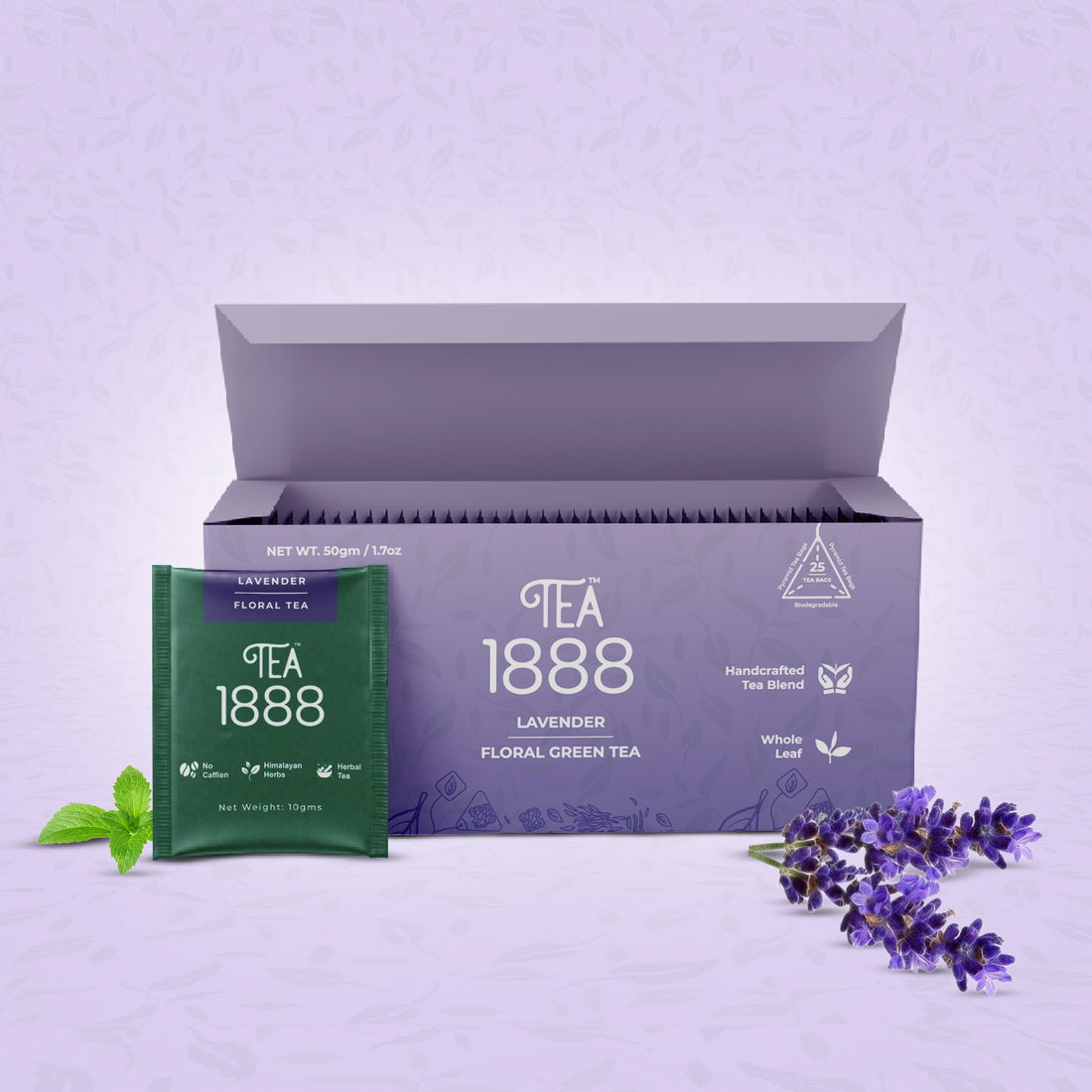
Check out the wide variety of Naturally Flavoured Teas by Tea1888 to explore how naturally flavoured tea can improve your daily routine. Understanding these chai types helps guide you between flavoured chai options and unflavoured varieties when comparing flavoured tea vs traditional chai.
What Is Traditional Chai?
Traditional chai refers to the authentic Indian preparation of tea that people have taken for centuries across the subcontinent. 'Chai' means tea in Hindi, and 'masala' translates to spices. Masala chai is spiced tea, in other words. This beverage is the foundation of chai types that people drink throughout India. Every family's recipe is passed down through generations. Black tea serves as the base for preparation. Assam tea provides bold and malty flavours. Darjeeling offers delicate, floral notes. Ceylon tea works well, particularly Orange Pekoe.
Most traditional preparations use CTC (crush, tear, curl) processed tea rather than orthodox methods. CTC tea withstands boiling without degrading, which is essential for authentic preparation. Common spices include green cardamom pods, cinnamon sticks, whole cloves, black peppercorns and fresh ginger. Fennel seeds appear occasionally. Each spice contributes distinct characteristics to the brew. The preparation method sets traditional chai apart from other tea beverages. Water, loose tea and spices boil together until a robust flavour develops.
Milk is then added, and the mixture simmers further to allow full infusion. This is markedly different from chai lattes, where steamed milk is poured over tea concentrate. Sweeteners like sugar, jaggery or honey balance the spice blend. People serve traditional chai hot and often pair it with biscuits or savoury snacks throughout the day.

Flavoured Tea vs Traditional Chai: The Core Differences
Processing methods are the foundations of difference when we dissect flavoured tea vs traditional chai. Traditional chai relies on CTC (crush, tear, curl) processed black tea. This involves aggressive crushing and mincing of tea leaves through stainless steel rollers equipped with sharp teeth. The method produces spherical tea granules that withstand boiling without degrading quality. Flavoured tea can use orthodox processed leaves by comparison. These undergo gentler rolling and create more delicate profiles unsuitable for extended boiling. Preparation techniques diverge between these chai types. Traditional chai needs 10-20 minutes of active cooking.
Tea leaves and spices boil together with water before milk joins the mixture for further simmering. Extended boiling extracts oils from spices and allows thearubigins to constitute up to 60% of solids in the infusion. Flavoured tea needs steeping for 2-5 minutes at specific temperatures: black varieties at 95-98°C for 3-5 minutes, and green teas need cooler water at 55-70°C for 2-3 minutes. Milk plays contrasting roles across different flavoured tea options. Chai needs milk to balance intensity and bind with tannins. This reduces astringency through protein interaction. Chai becomes aggressive and overly astringent without milk. Flavoured tea offers flexibility and shines equally with or without milk.
Flavoured Tea vs Traditional Chai
A clear comparison of how flavoured teas and traditional Indian chai differ in ingredients, processing, preparation, flavour profile, and serving style.
| Attribute | Flavoured Tea | Traditional Chai |
|---|---|---|
| Definition | Tea with additional taste elements introduced to base tea leaves, combining various tea types with fruits, flowers, herbs, spices, or essential oils. | Authentic Indian preparation of tea consumed for centuries. “Chai” means tea in Hindi, while “masala chai” means spiced tea. |
| Base Tea Types | White, green, oolong, or black tea. | Black tea, commonly Assam for bold malty flavours, Darjeeling for delicate floral notes, or Ceylon Orange Pekoe. |
| Processing Method | Can use orthodox processed leaves that undergo gentler rolling and result in more delicate flavour profiles. | CTC processed black tea, where leaves are crushed, torn, and curled through stainless steel rollers to produce spherical granules that withstand boiling. |
| Flavouring Components | Fruits such as strawberries, mangoes and citrus; flowers such as rose, jasmine and chamomile; spices such as cinnamon, ginger and cardamom; herbs or essential oils. | Green cardamom pods, cinnamon sticks, whole cloves, black peppercorns, fresh ginger, and sometimes fennel seeds. |
| Preparation Method | Simple steeping in hot water at specific temperatures depending on the tea type. | Water, loose tea and spices are boiled together until a strong flavour develops, then milk is added and simmered further for full infusion. |
| Brewing Time | Usually 2–5 minutes, depending on the tea type. | Usually 10–20 minutes of active cooking. |
| Brewing Temperature | Black varieties: 95–98°C for 3–5 minutes. Green teas: 55–70°C for 2–3 minutes. | Extended boiling temperature throughout preparation. |
| Milk Requirement | Flexible; can be enjoyed with or without milk. | Essential. Milk balances intensity and binds with tannins to reduce astringency. Without milk, chai can become aggressive and overly astringent. |
| Flavouring Method | Natural scenting with fresh flowers, essential oils added during production, extracts through distillation, or dried ingredients blended directly. | Spices are boiled together with tea leaves, allowing oils to extract and infuse naturally. |
| Common Varieties | Fruity varieties, floral options, and spiced blends with exotic combinations. | Masala chai with family-specific recipes often passed down through generations. |
| Sweeteners | Usually optional and depends on the flavour profile of the tea. | Sugar, jaggery, or honey is commonly used to balance the spice blend. |
| Serving Style | Can be served hot or iced, depending on the blend and occasion. | Served hot, often with biscuits or savoury snacks throughout the day. |
Conclusion
The choice between flavoured tea and traditional chai depends on your priorities and what you want in your cup. Traditional chai offers an authentic, time-honoured experience with bold flavours that just need milk and patience. Flavoured tea provides versatility and convenience with different taste profiles. Naturally flavoured tea varieties can help you find new taste experiences and appreciate the cultural richness of traditional preparations. Your ideal choice lies in what appeals to your palate and lifestyle.
FAQs
Q1. What is the main difference between flavoured tea and traditional chai? The primary difference lies in their preparation and composition. Flavoured tea uses various tea bases (white, green, oolong, or black) with added fruits, flowers, herbs, or essential oils. It requires simple steeping for 2-5 minutes. Traditional chai uses CTC-processed black tea boiled with whole spices like cardamom, ginger, and cinnamon for 10-20 minutes. It must be prepared with milk to balance its intensity.
Q2. Can flavoured tea be prepared with milk like traditional chai? Yes, flavoured tea offers flexibility and can be enjoyed both with or without milk, depending on personal preference. Traditional chai, however, requires milk as an essential component to bind with tannins and reduce astringency. Without milk, traditional chai becomes overly aggressive and astringent.
Q3. Which type of tea processing is used for traditional chai? Traditional chai uses CTC (crush, tear, curl) processed black tea, which involves crushing tea leaves through stainless steel rollers to create spherical granules. This processing method allows the tea to withstand extended boiling without degrading, which is essential for the authentic preparation method where tea and spices are boiled together.
Q4. How are flavours added to flavoured tea? Flavours are added through several methods: natural scenting by layering fresh flowers with tea leaves during drying, adding essential oils extracted from fruits and spices, using extracts obtained through distillation, or blending dried ingredients directly with the tea. Each method creates unique aromatic profiles in the final product.
Q5. What are the typical spices used in traditional masala chai? Traditional masala chai commonly includes green cardamom pods, cinnamon sticks, whole cloves, black peppercorns, fresh ginger, and occasionally fennel seeds. Each spice contributes distinct characteristics to the brew, and the combination varies by family recipe and regional preferences across India.