

Polycystic ovary syndrome (PCOS) is the most common endocrine disorder among women of reproductive age. If you're an Indian woman dealing with irregular periods or weight gain, you're not alone. Research shows that about 40% of women develop this condition through genetic factors, making it especially prevalent in our communities. Herbal tea for PCOS has emerged as a powerful natural solution. Studies show that 9 in 10 women noticed improved hormonal balance and reduced PCOS symptoms. This piece will walk you through how to cure PCOS using traditional herbal remedies. You'll learn which specific teas work best for hormonal balance and how to create an effective daily routine with PCOS natural remedies that address insulin resistance and inflammation.
Key Takeaways
Herbal teas offer Indian women a powerful, evidence-based approach to managing PCOS naturally, with 9 in 10 women experiencing improved hormonal balance and reduced symptoms through consistent use.
- Spearmint and licorice tea reduce testosterone levels - Drinking spearmint tea twice daily for 30 days significantly lowers free testosterone, while licorice decreases ovarian cysts and balances follicles.
- Cinnamon and green tea combat insulin resistance - 1.5g daily cinnamon improves insulin sensitivity as effectively as metformin. In contrast, green tea's EGCG promotes weight loss and reduces fasting insulin.
- Consistency matters more than quantity - Two cups daily for 30 days produces better hormonal improvements than sporadic high consumption; morning tea stabilizes blood sugar while evening tea lowers cortisol.
- Combine herbal tea with targeted supplements - Pair your tea routine with 2g myo-inositol, 200mcg chromium, and probiotics to address insulin resistance, inflammation, and gut health comprehensively.
- Strategic herb pairing maximizes results - Combine spearmint with green tea for high androgens, cinnamon with turmeric for insulin resistance, and ginger with turmeric for inflammation reduction.
PCOS affects 1 in 5 Indian women, but natural remedies rooted in traditional herbs provide a safe, effective path to hormonal balance when combined with anti-inflammatory foods, regular exercise, and stress management techniques.
Why Herbal Tea Works for PCOS: The Science Behind Natural Hormonal Balance
How PCOS disrupts hormones in Indian women
Your body's hormonal orchestra relies on precise coordination, but PCOS throws this balance into chaos. One in five Indian women is affected by this condition. Large-scale surveys show that around 16% of female respondents between the ages of 20 and 29 years suffer from PCOS. The disruption starts with your gonadotropin hormones: PCOS causes increased LH levels and decreased levels of FSH. This results in immature follicle development. Your ovaries contain many follicles, but these hormonal imbalances prevent them from maturing. Elevated androgen levels create the visible symptoms you might recognize: acne and irregular periods. These excessive androgens often result from elevated abdominal fat, which may lead to hyperinsulinemia and dyslipidemia. The interplay between neuroendocrine levels, metabolic levels and ovarian anomalies contributes to the development of polycystic ovarian syndrome.
The connection between insulin resistance and PCOS
Insulin resistance is the main driver behind PCOS for most women. Research shows that insulin resistance occurs in 70-95% of people with obese PCOS and 30-75% of people with lean PCOS. You can have insulin resistance even if you're not overweight. Your body doesn't use insulin very well, so insulin levels build up and cause higher androgen levels. Elevated insulin levels cause abnormalities in the hypothalamic-pituitary-ovarian axis. Hyperinsulinemia stimulates your ovaries and adrenal glands to produce excess androgens. Your insulin-mediated glucose uptake is decreased by 35-40% compared with women without PCOS. This creates a vicious cycle where elevated androgen levels in the blood cause adipocytes to inhibit adiponectin and result in reduced insulin sensitivity.

Why traditional herbal remedies work for PCOS
Herbal medicines work through multiple collaborative mechanisms that target why PCOS happens. Different herbs exert their activity against PCOS through suppression of prolactin levels, anti-androgenic activity, promoting follicle-stimulating hormone (FSH), decreasing luteinizing hormone (LH), induction of ovulation and restoration of glucose sensitivity. Studies demonstrate that herbal remedies are safe and more efficacious in treating PCOS and suppressing the events that contribute to cyst development. Phytochemicals such as curcumin regulate the reproductive cycle by reducing testosterone levels and the LH to FSH ratio. Compounds like naringenin and fisetin increase insulin sensitivity and improve glycaemic control.
Which Herbal Tea is Good for PCOS: Complete Ingredient Guide
Selecting the right herbal tea for PCOS requires understanding which specific ingredients target your hormonal imbalances most effectively.
PCOS care tea with spearmint and licorice benefits
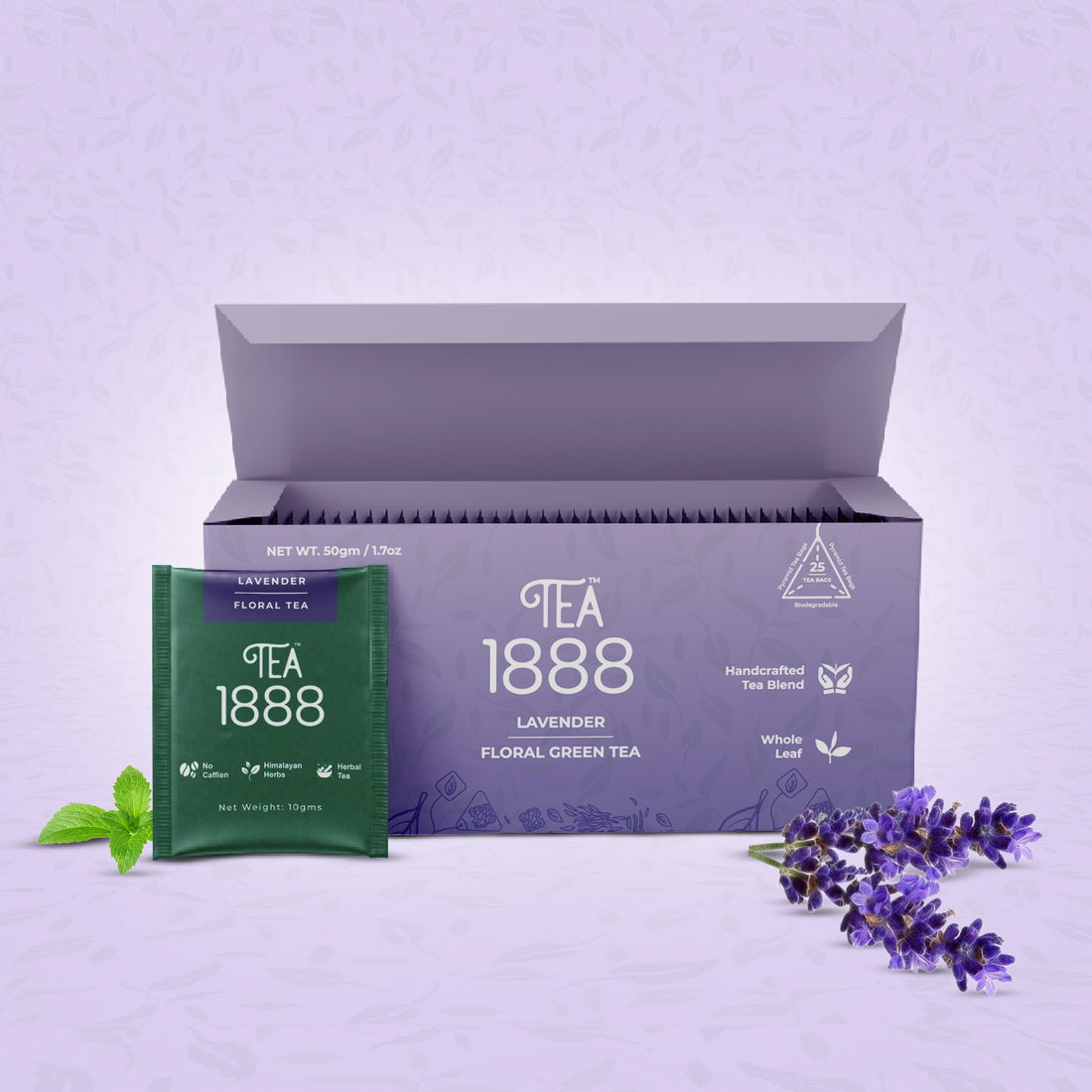
Spearmint tea delivers powerful anti-androgenic effects that address elevated testosterone levels. Drinking spearmint tea twice daily for 30 days reduced free testosterone levels by a lot in women with PCOS. You may notice results even sooner. One study found improvements after just five days of consumption. Licorice root works through a different pathway. The compound glycyrrhizin helps balance irregular ovarian follicles and decrease ovarian cysts. Research demonstrates that licorice can reduce testosterone production from your adrenal glands. PCOS Tea by Tea1888 combines both spearmint and licorice with complementary ingredients like rose petals for hormonal calmness and detox support.

Cinnamon tea for blood sugar control
Cinnamon targets insulin resistance. It increases phosphatidylinositol 3-kinase activity in your insulin signaling pathway. 1.5g daily cinnamon supplementation for 12 weeks improved insulin sensitivity and decreased insulin levels in women with PCOS. The active compound cinnamaldehyde reduces fasting blood glucose and insulin measurements. Cinnamon supplementation causes reductions in insulin resistance and testosterone levels that match those of metformin.
Green tea for metabolism and weight management
Green tea's catechin EGCG promotes weight loss through multiple mechanisms. Research found that 500mg daily green tea extract caused major decreases in body weight, fasting insulin and free testosterone in women with PCOS. A meta-analysis confirmed green tea reduces body weight by 2.71 kg compared to a placebo. The thermogenic properties increase energy expenditure and fat oxidation.
Adaptogen herbs: Ashwagandha and maca root
Ashwagandha reduces cortisol levels by up to 28% over 60 days. A 12-week study reported improvements in insulin resistance and decreased total testosterone in women with PCOS. Maca root functions as an adaptogen that may help regulate estrogen and progesterone levels, though specific PCOS studies remain limited.
Turmeric and ginger tea for inflammation reduction
Curcumin from turmeric reduces fasting blood glucose and insulin in women with PCOS. Studies using 500mg curcumin twice daily showed strong anti-inflammatory effects. They suppressed TNF-α and IL-6 expression. Ginger supplementation reduced fasting glucose, insulin and total testosterone in PCOS patients by a lot.
How to Cure PCOS Naturally: Creating Your Herbal Tea Routine
Preparing your daily PCOS herbal tea blend
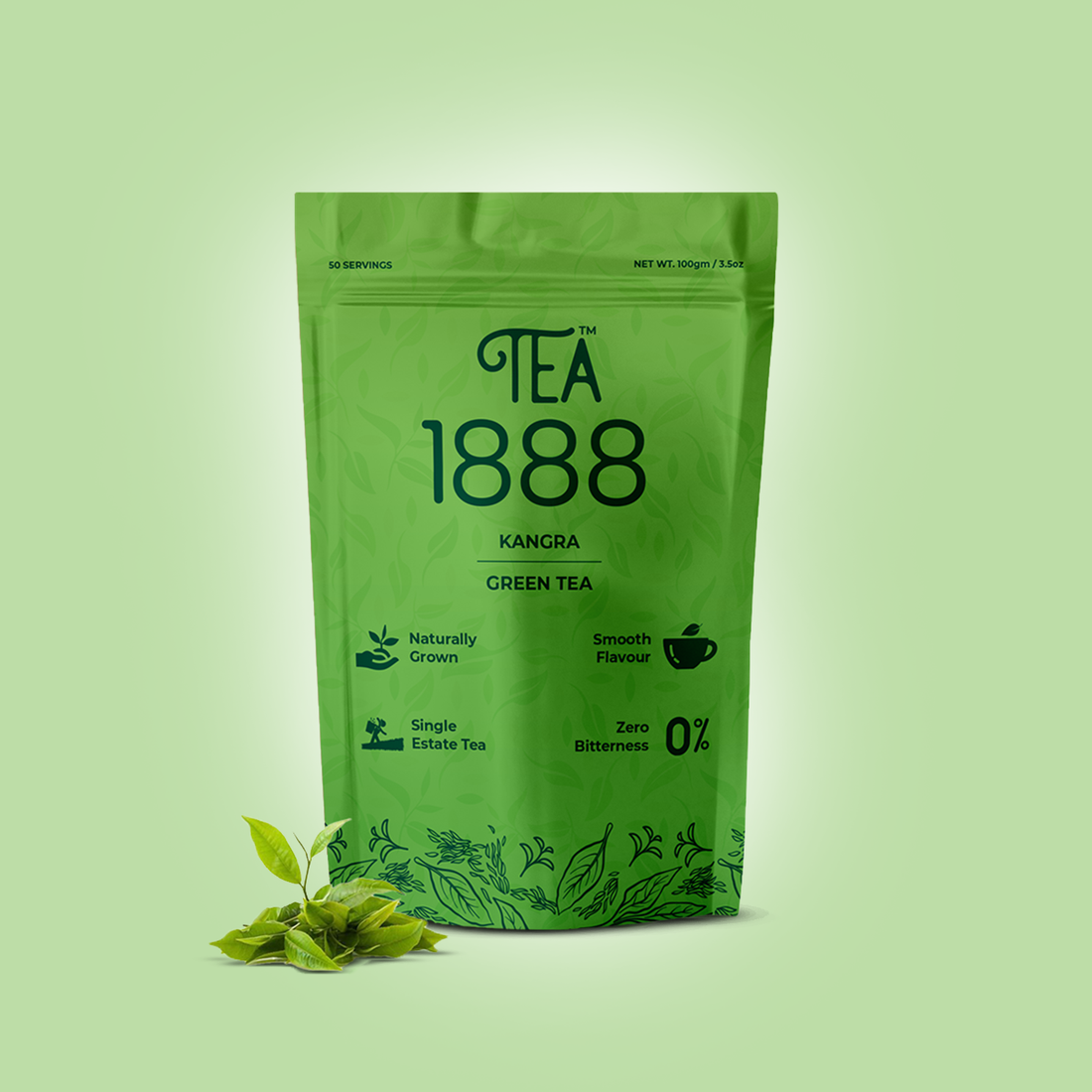
Understanding the steeping process is where your herbal tea routine begins. Most botanical teas need 5-7 minutes in water at 90°C. Green tea requires gentler handling at 70-80°C for 2-3 minutes to preserve catechins. You can create a traditional blend using lemongrass leaves, cinnamon stick, basil leaves, mint leaves, crushed ginger, mulethi powder, and methi seeds, boiled until the water reduces by one-third. PCOS Tea by Tea1888 offers a pre-formulated option that combines green tea, cinnamon, rose petals, spearmint, and licorice in precise ratios for hormonal balance.

When to drink your tea to get the best results
Consistency matters more than quantity. Research shows that drinking 2 cups daily for 30 days produces better outcomes than 10 cups daily for just one week. Morning consumption supports blood sugar stability and metabolism. Evening tea helps lower cortisol before sleep. Studies showing hormonal improvements used twice-daily consumption.
How to combine different herbs to get maximum effect
Targeted pairing addresses specific symptoms. Spearmint combined with green tea addresses high androgens and acne. Cinnamon with turmeric and green tea manages insulin resistance and cravings. Peppermint paired with ginger reduces bloating, while turmeric with ginger and nettle fights inflammation and fatigue. Speak with your doctor before starting herbal supplements if you take metformin, hormonal contraceptives, or thyroid medication.
PCOS Natural Remedies Beyond Herbal Tea
While herbal tea for PCOS provides foundational support, combining it with targeted supplements and lifestyle modifications creates a detailed approach to how to cure PCOS naturally.
Anti-inflammatory foods to include in your diet
Your plate should emphasize anti-inflammatory foods like fatty fish (salmon and sardines), olive oil, dark leafy greens (spinach and kale), tomatoes, nuts (almonds and walnuts), and dark chocolate in moderation. These foods reduce chronic inflammation that makes PCOS symptoms worse.
Probiotics and digestive health for PCOS
Probiotic supplementation affects PCOS management a lot. Strains from the Lactobacillus and Bifidobacterium genera improve weight, BMI, insulin levels, and HOMA-IR. Probiotics also reduce free androgen index and increase SHBG levels.
Regular exercise and stress management techniques
You want to get 30 minutes of moderate-intensity exercise most days, totaling 150 minutes weekly. Stress creates a bidirectional relationship with PCOS. Chronic stress elevates cortisol, which worsens insulin resistance. Meditation and deep breathing help regulate cortisol levels. Mindfulness practices work too.
Avoiding endocrine disruptors in daily life
Endocrine-disrupting chemicals like BPA and phthalates interfere with hormone function and worsen PCOS symptoms. Replace plastic containers with glass or stainless steel. Avoid heating food in plastic and choose phthalate-free personal care products. Eat organic produce when possible.
Conclusion
Herbal tea for PCOS offers you a natural approach to hormonal balance backed by science. If you're an Indian woman managing PCOS, you now understand which herbs target insulin resistance and reduce androgens while fighting inflammation. Success lies in consistency rather than perfection. Start with one or two herbal teas daily and combine them with anti-inflammatory foods and stress management. Give your body at least 30 days to respond. Your trip toward natural hormonal balance begins with that first cup.
FAQs
Q1. Which herbal tea is most effective for managing PCOS symptoms? Spearmint tea is particularly effective for PCOS as it has powerful anti-androgenic properties. Studies show that drinking spearmint tea twice daily for 30 days significantly reduces free testosterone levels. Green tea is also highly beneficial, with 500mg daily extract helping decrease body weight, fasting insulin, and free testosterone. For best results, consider combining spearmint with green tea, cinnamon, and licorice in a specialized PCOS blend.
Q2. What traditional Indian remedies can help with PCOS management? Traditional Indian remedies for PCOS include herbal teas made with ingredients like tulsi (basil) leaves, methi (fenugreek) seeds, mulethi (licorice) powder, ginger, cinnamon, and mint leaves. Ashwagandha is another powerful Ayurvedic herb that reduces cortisol levels by up to 28% and improves insulin resistance. These remedies work by balancing hormones, reducing inflammation, and improving insulin sensitivity when consumed consistently.
Q3. How do herbal teas help balance hormones in women with PCOS? Herbal teas work through multiple mechanisms to restore hormonal balance. They suppress prolactin levels, reduce androgen activity, promote follicle-stimulating hormone (FSH), decrease luteinizing hormone (LH), and restore insulin sensitivity. Specific compounds like curcumin regulate the reproductive cycle by reducing testosterone levels and the LH to FSH ratio, while ingredients like cinnamon improve glucose control and insulin signaling.
Q4. Can herbal remedies alone cure PCOS naturally? While herbal teas provide significant benefits, the most effective approach combines them with other natural remedies. This includes taking supplements like inositol (2g daily), chromium (200 micrograms), and zinc (50mg), eating anti-inflammatory foods, maintaining regular exercise (150 minutes weekly), managing stress through meditation, and avoiding endocrine disruptors. Consistency over at least 30 days is essential for seeing results.
Q5. How should I prepare and consume herbal tea for PCOS? For optimal results, steep most herbal teas for 5-7 minutes in water at 90°C, though green tea requires gentler handling at 70-80°C for 2-3 minutes. Drink 2 cups daily consistently for at least 30 days rather than consuming large amounts sporadically. Morning consumption supports blood sugar stability and metabolism, while evening tea helps lower cortisol levels before sleep.