

Choosing mint green tea that delivers on taste and health benefits can feel overwhelming when you face countless options at your local store. Your selection matters more than you might think. Green tea is celebrated as a powerhouse of antioxidants and therapeutic properties, suitable for all age groups. But not all mint with green tea products offer the same quality. Some use artificial flavoring, while others compromise on the green tea base itself.
The difference between clean green tea with natural mint and subpar blends affects everything from flavor to health benefits. This piece walks you through how to identify superior tea quality, review green tea flavors, and make informed purchasing decisions that suit your priorities and budget.
Key Takeaways
Selecting high-quality mint green tea requires careful evaluation of both the green tea base and mint components to ensure you receive authentic flavor and maximum health benefits.
- Verify natural ingredients: Choose products listing actual mint leaves (spearmint or peppermint) rather than artificial flavoring to ensure genuine taste and therapeutic properties.
- Examine the tea base quality: Look for whole leaves with bright green color and high catechin content from reputable growing regions for superior antioxidant levels.
- Check certifications and origin: Organic, Fairtrade, or Trustea certifications guarantee production without harmful chemicals while ensuring ethical sourcing and sustainability standards.
- Prefer loose leaf over tea bags: Whole-leaf tea retains essential oils and delivers richer flavor profiles while avoiding microplastic contamination from conventional tea bags.
- Master proper brewing technique: Steep at 160-180°F (70-82°C) for 2-3 minutes to prevent bitterness and preserve delicate compounds that deliver health benefits.
- Store correctly for freshness: Keep tea in airtight, opaque containers away from light, moisture, heat, and strong odors to maintain quality for 6-12 months.
The difference between premium and inferior mint green tea extends beyond taste; it directly impacts the antioxidant content, digestive benefits, and overall wellness value you receive from each cup.
Understanding Mint Green Tea Quality

What is Mint Green Tea
Mint green tea combines two distinct components: a green tea base and mint leaves. The green tea portion comes from the Camellia sinensis plant, processed to preserve its natural compounds. Mint gets added either as whole dried leaves or during the processing stage. Spearmint or peppermint varieties are typical. This pairing creates a beverage that merges the antioxidant profile of green tea with the cooling and digestive properties of mint. The combination varies in different products. Some contain actual dried mint leaves mixed with tea. Others rely on flavoring agents to achieve the mint taste. Both ingredients contribute distinct therapeutic qualities. You need to understand what you're buying to get the results you expect.
Why Quality Matters for Mint Green Tea
Your choice between high-quality and inferior mint green tea affects both flavor and wellness benefits. Premium blends use organic green tea to maximize antioxidants and purity. Manufacturers who cut corners leave you with products containing added sugars, preservatives, or weak tea bases that dilute the health advantages you're seeking. Quality determines whether you receive authentic mint flavor or chemical approximations. Fresh or dried mint leaves improve cooling and digestive properties that artificial versions cannot replicate. The green tea base's quality influences the antioxidant content, which varies a lot between grades. High-quality ingredients create a richer aroma and natural freshness that processed alternatives lack.
Natural vs Artificial Mint Flavouring
Natural flavors in tea refer to essential oils, extracts, or distillates derived from plant materials like herbs, leaves, or roots. The amount needed remains minimal, about a teaspoon per pound of tea. Once the carrier agents evaporate, you're looking at minuscule amounts of actual flavoring. Artificial flavors use lab-created chemical compounds designed to mimic natural tastes. Some manufacturers combine chemicals from inedible sources to achieve desired flavors. The difference matters because natural mint delivers authentic taste without synthetic additives. Tea blends containing whole mint leaves or organic flavor extracts offer cleaner profiles than those relying on artificial compounds. Products listing actual mint leaves in their ingredients provide more genuine flavor and potential health benefits than chemically flavored options.
Key Quality Indicators to Look For

Evaluating the Green Tea Base
Green tea quality depends on catechin content, which determines antioxidant levels and health benefits. EGC and EGCG serve as dominant catechins in quality green tea samples. Get into whether the base tea originates from reputable growing regions when you evaluate mint with green tea. Quality tea reflects the harmony between soil richness and climate conditions. Artisanal farms with smaller surface areas often produce superior grades compared to mass-produced varieties.
Fresh and Authentic Mint
Quality mint leaves display textured, bumpy surfaces with serrated edges resembling a knife blade. Smooth, shiny leaves with no serrations indicate inferior varieties. Peppermint has higher menthol content than spearmint and creates stronger flavor profiles. Fresh mint provides a more vibrant taste than dried versions. The aroma should feel gentle yet layered, not intense in an artificial way. Authentic mint releases natural fragrance that evolves in multiple steepings rather than disappearing after the first infusion.
The Ingredient List
Read labels to verify actual mint leaves appear in the ingredients rather than just "natural flavoring" or chemical compounds. Premium products list specific mint varieties alongside green tea. Organic certifications ensure production follows strict specifications without GMOs, artificial fertilizers, or chemical pesticides.
Leaf Appearance and Colour
Whole leaves indicate higher quality compared to powdered fragments found in tea bags. Bright green leaves with subtle luster point to freshness and natural tea oils. Dull, faded colors suggest oxidation or prolonged storage. Color consistency throughout the batch demonstrates proper processing. Check for uniform leaf sizes and intact shapes rather than excessive breakage.
Tea Grades and Processing
Whole-leaf grades represent the highest quality and contain intact leaves with minimal processing. Orange Pekoe (OP) offers full leaves, while Flowery Orange Pekoe (FOP) has young leaves and buds for enhanced fragrance. Broken grades brew stronger but lose complexity. Fannings and dust, used in tea bags, brew fast but lack depth.
How to Select the Best Mint Green Tea

Origin and Source Matter
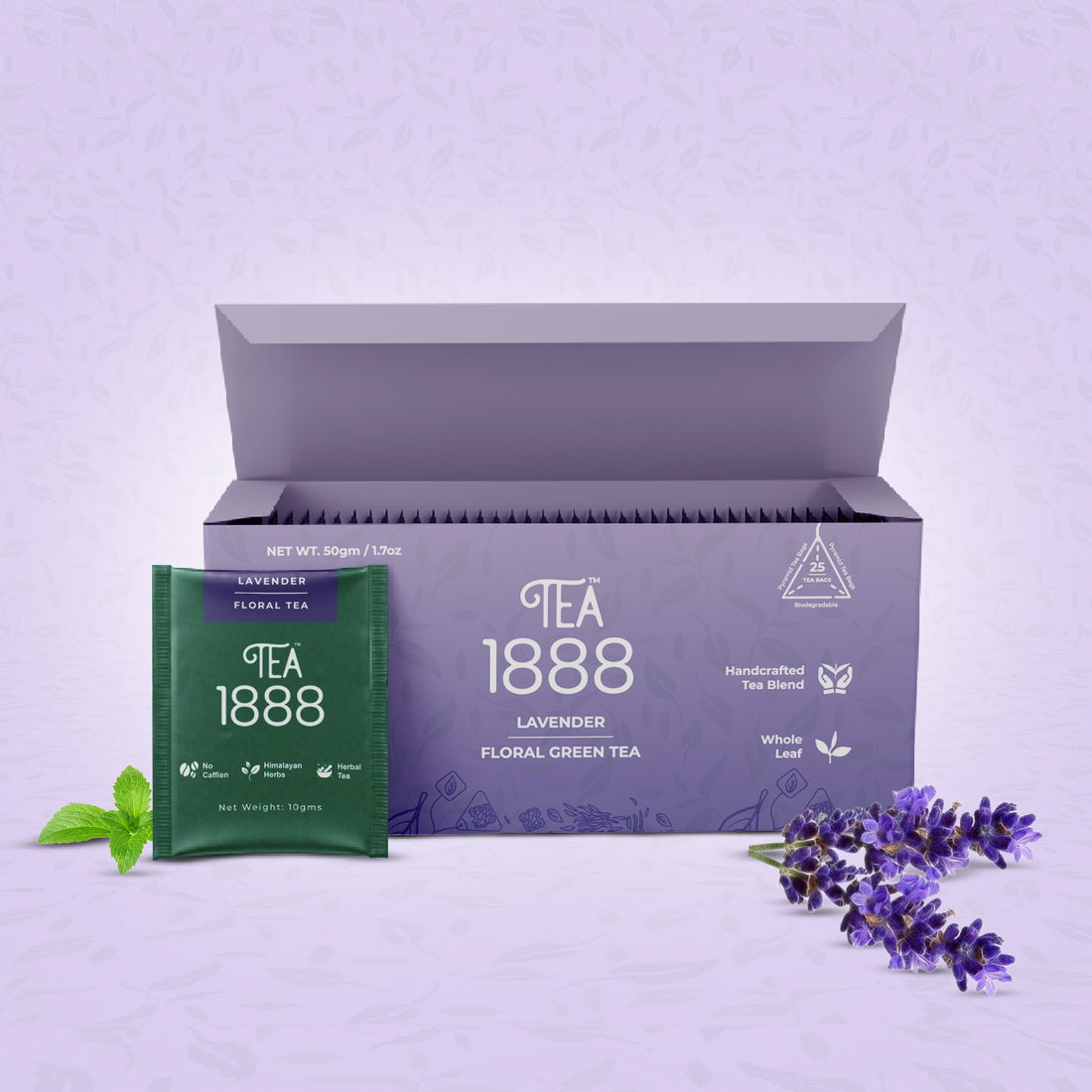
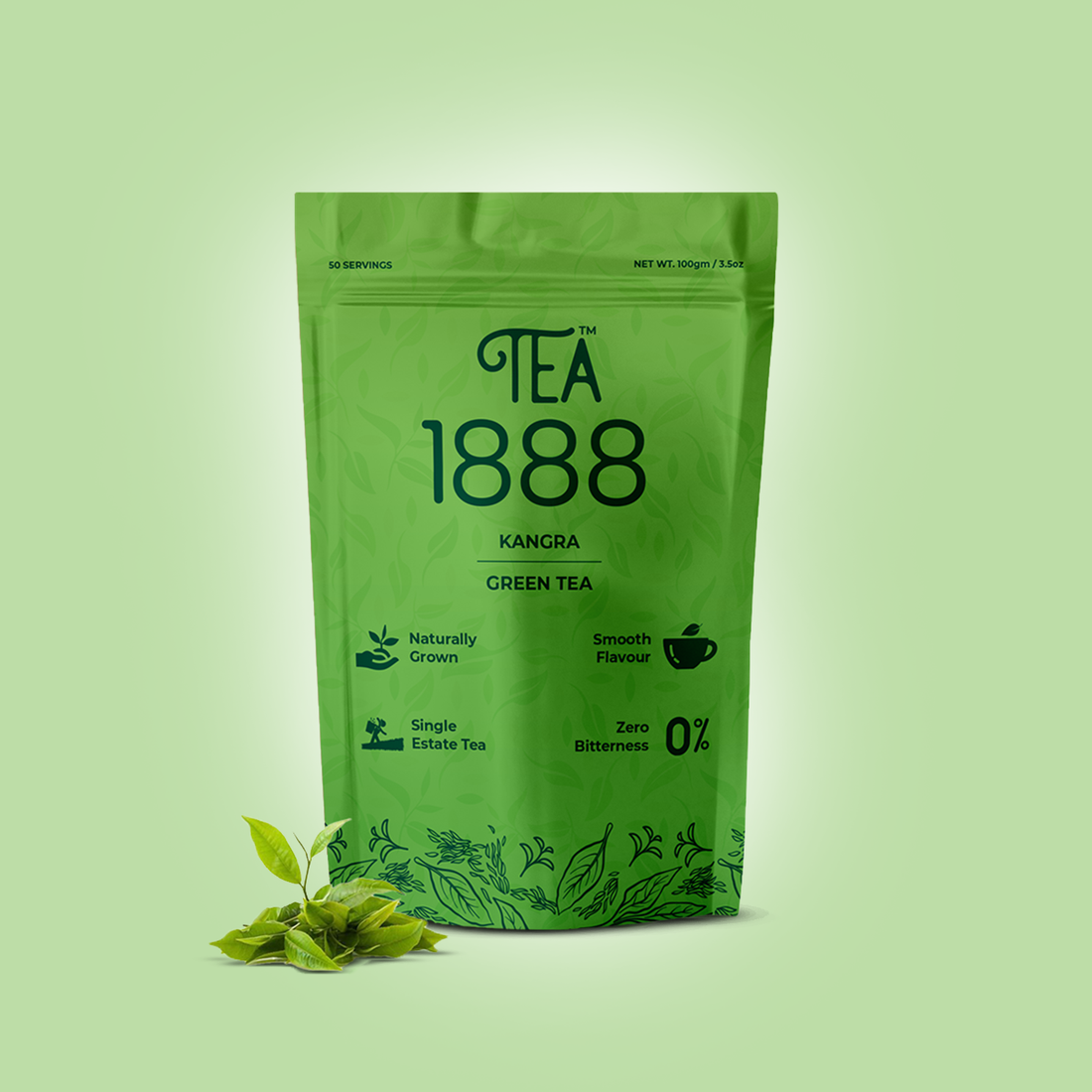
Geographic origin influences mint green tea quality through soil composition, climate patterns, and traditional cultivation practices. Tea from long-established growing regions maintains consistent standards. Indian tea estates in regions known for green tea production deliver reliable quality. Check out Mint Green Tea by Tea1888, all ingredients sourced from Kangra in the foothills of the Himalayas. Source transparency indicates manufacturer confidence in their supply chain.
Price and Value Assessment
Price doesn't signal superior quality on its own. You get what you pay for, but packaging and branding inflate costs without improving the actual tea sometimes. Whole-leaf green tea and mint can offer up to three times more antioxidants than lower-grade bagged varieties. Assess value by scrutinizing leaf quality and ingredient authenticity rather than price tags alone. High-quality tea provides around 200 cups per pound, and this makes the cost per serving modest.
Labels and Certifications
Organic certifications ensure production without GMOs, artificial fertilizers, or chemical pesticides. Fairtrade guarantees fair wages and community investment for workers. The Rainforest Alliance indicates environmental and social responsibility standards. Trustea certification verifies adherence to domestic sustainability standards for Indian teas.
Loose Leaf vs Tea Bags
Loose-leaf mint green tea consists of whole or partially broken leaves, while traditional tea bags contain dust and fannings. Whole leaves retain essential oils and natural compounds that deliver richer flavor profiles. Tea bags may contain polypropylene plastic that can leach microplastics into hot water. Loose leaf allows multiple infusions and extends the value per purchase.
Brewing and Storing Your Mint Green Tea

Proper Water Temperature and Steeping Time
Delicate compounds in mint green tea get destroyed by boiling water. The ideal temperature ranges between 160-180°F (70-82°C), well below the boiling point of 212°F. Boil your kettle and let it cool for two to three minutes before pouring. This simple step prevents bitter tannins from overwhelming your cup. Steeping duration matters just as much. Green tea releases its best flavors within two to three minutes. Excessive tannins create astringency that masks the natural sweetness beyond this window. Set a timer to avoid over-steeping. You can re-steep quality leaves two to three times and add thirty seconds to each subsequent infusion.
Storage Tips for Maximum Freshness
Mint with green tea faces five storage enemies: light, air, moisture, odors and heat. Store your tea in airtight, opaque containers away from direct sunlight. Glass jars allow light penetration that degrades tea compounds. Metal tins work better. Kitchen proximity to spices poses challenges in Indian homes. Tea absorbs surrounding smells faster and contaminates its delicate profile. Keep your containers separate from masala dabbas and strong-smelling ingredients. Humidity above 60% triggers mold growth, so avoid storage near the stove or sink. Green tea maintains optimal freshness for six to twelve months when stored the right way.
Conclusion
You now have everything needed to select mint green tea that delivers authentic flavor and health benefits. Check the ingredient list for real mint leaves and get into leaf quality before purchasing. Verify certifications, too. Quality tea changes your daily routine from ordinary to exceptional. Store your selection well and brew at the right temperature to extract maximum benefits. Trust your senses when evaluating options. Your perfect cup awaits.
FAQs
Q1. What should I look for when selecting high-quality green tea? Look for whole-leaf grades rather than broken pieces or dust, as they indicate superior quality. Check for vibrant, bright green leaves with a subtle luster, which signal freshness and proper processing. Uniform leaf shapes demonstrate careful handling, while consistent color throughout the batch indicates quality control during production.
Q2. How can I tell if mint green tea contains real mint or artificial flavoring? Check the ingredient list for actual mint leaves (spearmint or peppermint) rather than just "natural flavoring" or chemical compounds. Quality mint leaves have textured, bumpy surfaces with serrated edges. Natural mint provides an authentic aroma that evolves across multiple steepings. At the same time, artificial flavoring tends to disappear after the first infusion.
Q3. What color should quality green tea leaves be? Quality green tea leaves should be bright green with a subtle luster, indicating freshness and the presence of natural tea oils. Dark green leaves suggest heavy steaming and strong vegetal flavor. In contrast, brighter green leaves indicate lighter steaming with less grassy taste. Avoid dull or faded colors, which suggest oxidation or prolonged storage.
Q4. Does the shape and size of tea leaves affect quality? Yes, leaf size and shape are important quality indicators. Whole leaves represent the highest quality with minimal processing. At the same time, broken grades, fannings, and dust (commonly found in tea bags) lack complexity and depth. Uniform leaf shapes throughout the batch indicate careful processing and attention to quality standards.
Q5. How does the freshness of tea leaves impact the final brew? Fresh tea leaves produce vibrant color and almost luminous infusions with rich, layered aromas. Fresh mint provides a more vibrant taste than dried versions, though quality dried mint still offers authentic flavor. Properly stored green tea maintains optimal freshness for six to twelve months, after which the delicate compounds begin to degrade, affecting both taste and health benefits.