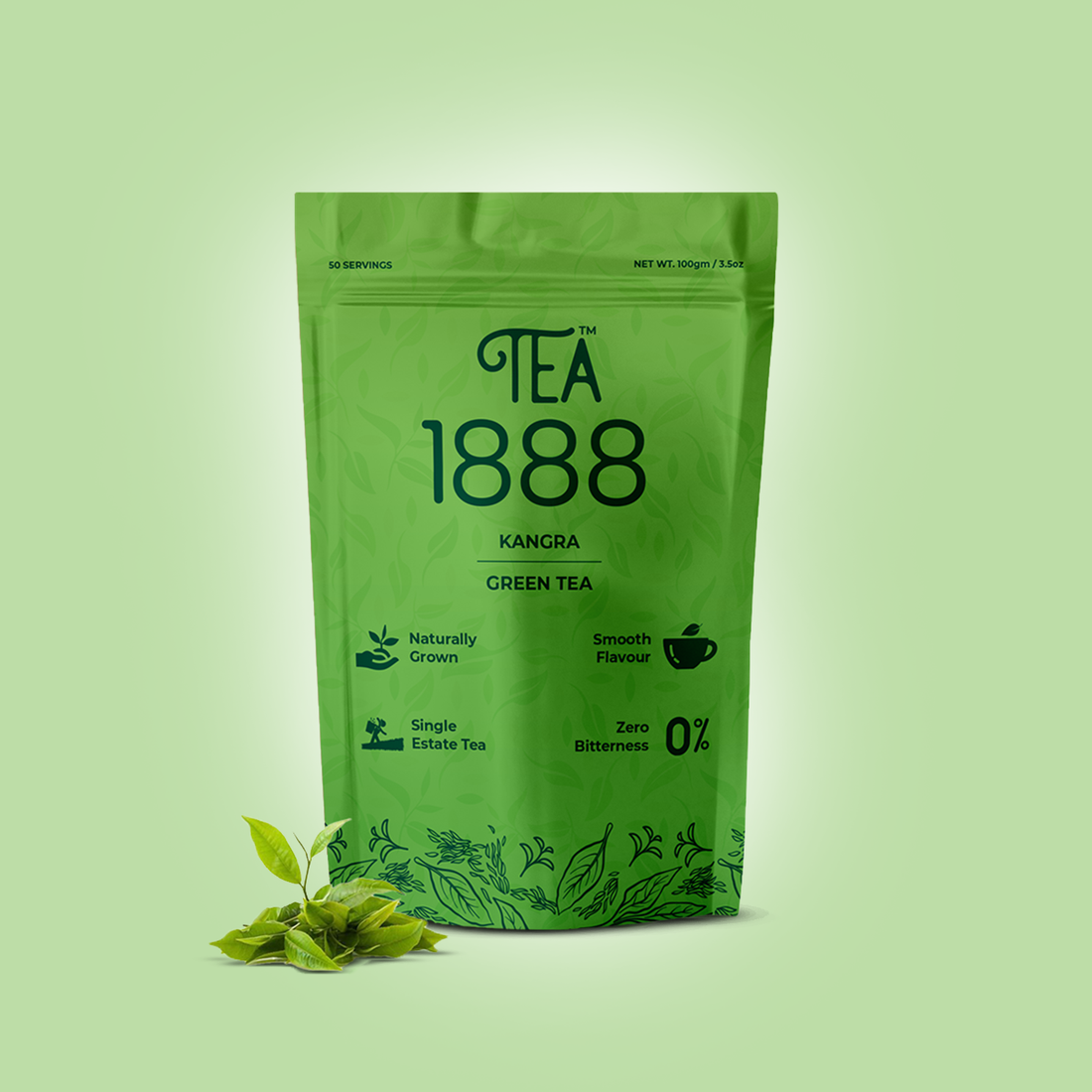


Did you know that Kangra tea received the Geographical Indication (GI) designation in 2005? This recognition certifies its authenticity and unique origin from the Kangra district of Himachal Pradesh. But countless sellers offer Kangra tea online. How do you ensure you're getting the real deal and not a knockoff? Whether you're curious about what Kangra tea is or want to explore Kangra tea benefits, this piece will show you exactly how to identify and buy genuine Kangra tea online while supporting local Kangra tea gardens.
What is Kangra Tea
Nestled in the picturesque Kangra Valley of Himachal Pradesh, Kangra tea represents one of India's smallest yet most exclusive tea-growing regions. This Himalayan Kangra tea grows at elevations ranging from 900 to 1400 meters above sea level, where the climate, characteristic terrain, and coolness of snow-clad mountains create conditions for a brew with a distinct flavour.
Origin and History of Kangra Tea
The story of Kangra tea cultivation began in 1849 when Dr Jameson, then superintendent of the Botanical Tea Gardens, conducted a feasibility survey and pronounced the region ideal for tea plantation. A Chinese variety of Camellia sinensis was brought from nurseries at Almora and Dehradun after this assessment and planted across government gardens at Kangra, Nagrota, and Bhawarna. Dr Jameson established the 'Delhi Tea Estate' in 1852, and the plants performed well in growth despite suffering during transit. Kangra tea had gained recognition for superior quality compared to tea from other parts of India by the 1880s. The 1882 Kangra District Gazette described it as 'superior to that produced in any other part of India'. This reputation earned the tea gold and silver medals at international conventions held in London in 1886 and Amsterdam in 1895.

Natives bought much of the production and exported it to Kabul and Central Asia via Peshawar. The flourishing tea industry faced devastation when the 1905 Kangra earthquake struck at 7.8 on the Richter scale. More than 20,000 people lost their lives, farm animals were killed, and British-owned tea factories with their imported machinery were wiped out. The British tea planters abandoned the valley and sold their ruined gardens to residents who lacked the resources to rebuild factories. Tea production declined sharply in the decades that followed. As of May 2015, there are 5,900 tea gardens in the area covering about 2,312 hectares of land between Dharamsala, Shahpur, Palampur, Baijnath and Jogindernagar, with an annual output of 8.99 lakh kg.
Types of Kangra Tea Available
Kangra tea gardens produce both black and green tea varieties, with black tea making up around 90 per cent of the production. The region receives annual rainfall of 270 to 350cm, and tea grows in temperatures ranging from 13 to 35 degrees Celsius during the March through October cropping season. The first flush of Kangra tea stands out for its quality, unique aroma, and distinct tinge of fruity flavour. Black Kangra tea delivers a sweet, lingering aftertaste that sets it apart from other Indian teas. The green tea variety offers a delicate woody aroma. A little milder than Darjeeling tea in terms of flavour,
Kangra tea has more body and liquor. The Chinese hybrid variety grown in the valley produces a very pale liquor, which explains why Kangra does not produce any CTC (crushed, turned, curled) tea. You'll find that this tea is sought after for its subtle sweetness, floral notes, and light body for those seeking Kangra tea online. The unique characteristics stem from the geographical properties of the region, including the podzolic grey soil with a pH of about 5.4.
Kangra Tea Benefits
Kangra green tea has got a lot of attention for its wide range of health benefits, attributed to its rich composition of bioactive compounds. The tea contains high concentrations of antioxidants, catechins and polyphenols in particular, which play a pivotal role in reducing oxidative stress and lowering the risk of chronic diseases. These antioxidants work by neutralising free radicals and preventing cellular damage while promoting overall health. The polyphenols, including catechins, help fight free radicals and support a healthy immune system.
Studies have shown that the combination of caffeine and catechins in green tea can contribute to increased fat oxidation and a higher metabolic rate, which helps with weight management. Regular consumption has been linked to reduced risk factors for cardiovascular diseases by promoting healthy cholesterol levels and supporting blood vessel function. Research using computer-based models has screened 65 bioactive chemicals or polyphenols that could bind to specific viral proteins and suggests potential antiviral properties. The tea has been documented to help manage diabetes and liver issues while potentially preventing brain disorders and certain types of cancers.

Why Buying Authentic Kangra Tea Matters
Authenticity determines whether you receive genuine health benefits or just colored water that pretends to be premium tea. Understanding the difference between authentic and counterfeit products becomes critical for both your health and your wallet when you purchase Kangra tea online.
Health and Quality Concerns
The GI tag serves as your first line of defence against fake products. Kangra tea earned its GI recognition for its reputation, specific characteristics and quality. This certification confirms that the tea comes from the specific micro-climate of the Kangra Valley and meets production standards that are decades old. You risk consuming tea blends from unknown sources that may contain pesticides, lower-grade leaves or even non-tea plant materials without this verification. Several published papers in high-impact-factor national and international medical journals verify that Kangra tea has strong nutraceutical properties that help immunity with antiviral and anti-biotic effects.
The tea has been documented to help manage diabetes and liver problems while potentially preventing brain disorders and certain types of cancers. But these verified health properties exist only in authentic Kangra tea grown in the designated geographical area. Fake products cannot deliver these benefits backed by science. Trust products only with certifications from NPOP, NOP, USDA, PGS-India and BioSuisse. You can find out their authenticity from the official logos printed on their outer packing. These certifications guarantee that the tea was grown with care for the environment and your health, using pure, natural ingredients. Organic whole tea leaves ensure you receive the purest and highest quality tea in every cup.
Price vs Value Considerations
Kangra tea represents less than 1% of India's total tea production. This makes it an ultra-premium product. You taste the truest expression of its origin when you buy authentic Kangra tea directly from estates, the soil, altitude and season in which it was made. Each batch tells a story of the land and the people who nurture it. The tea remains lesser-known because of its small-scale production. Only a few estates produce it, and almost all stay within Himachal Pradesh or reach loyal tea drinkers who recognise its worth. Those who find authentic Kangra tea rarely switch to other varieties. It offers tea with a sense of place, history and heart. Paying a bit more for verified, authentic tea means you invest in genuine quality rather than settle for mislabeled alternatives at deceptive prices.
Supporting Local Kangra Tea Gardens
Tea cultivation plays a vital role in the Kangra district's economy. The region has 15 estates, 1,526 small growers and 11 bought-leaf factories that produce a million kilos annually. The tea business in India contributes substantially to the economy of rural agricultural regions and offers employment to millions of people. Over 4000 kg of Kangra tea were exported primarily to Germany, Britain, Russia and France in 2021-22. The industry barely managed to free itself from middlemen after surviving the devastating Great Himalayan Earthquake in 1905 and colonial exploitation.
Most of this ultra-premium tea was still exported until a few years ago, fetching top dollars for exporters with hardly any value flowing back to the growers and labourers in the valley. Local aspirants have now taken up the challenge to bring past glory back to Kangra tea grown authentically in the specific micro-climate of the Kangra Valley. You support eco-friendly agriculture practices when you purchase authentic Kangra tea directly from verified sources. You also encourage farmers to grow high-quality tea while ensuring fair compensation reaches those who cultivate these precious leaves.
How to Identify Authentic Kangra Tea Online
Spotting genuine Kangra tea online requires knowing exactly what verification markers separate authentic products from imitations. Knowing how to distinguish real from fake depends on checking specific certifications and details that only legitimate sellers can provide. Check for Geographical Indication (GI) Tag Kangra tea has held Geographical Indication status since 2005 in India. It received European PGI recognition more recently and became the second Indian product registered with the European Union as a protected GI. Verify that the seller displays the official GI certification number or logo on product pages when browsing Kangra tea online.

Authentic sellers will feature their GI Authorised user Certificate number in a prominent way. Legitimate certificates follow formats like AU/3983/GI/25/24 or AU/30208/GI/25/44. The GI registration protects the tea's authenticity and quality while preventing use by third parties whose products do not originate from the Kangra region or conform to certified production standards. You have no guarantee that the tea comes from Kangra tea garden estates in Himachal Pradesh without this visible certification.
Look for Organic Certifications
Beware of products that cite themselves as 'Organic' without mandatory certifications or by including the word 'organic' in their name. Trust products only with certifications from NPOP, NOP, USDA, PGS-India, or BioSuisse. You can find out their authenticity from official logos printed on the outer packing. Your tea might contain heavy metals that could cause harm unless it carries certification as 'Certified Organic' by a recognised certifying agency and reports compliance by Quality Control Laboratory with their logo displayed. Genuine organic Kangra tea will show these certification marks on packaging images in online listings in a clear way. Authentic sellers provide certification details in product descriptions rather than vague organic claims.
Verify Estate or Garden Information
Legitimate Kangra tea comes from specific estates and gardens in the Kangra Valley. Product listings should mention the exact estate name, location within the Kangra district, and elevation where the tea grows. Orthodox production with minimal chemicals characterises many estates, so sellers should specify their production methods. Check whether the seller provides information about FSSAI license numbers, UDYAM registration, GST numbers, and IEC codes. These registration details demonstrate the seller operates as a legitimate business entity. Genuine kangra tea garden sources will share details about their cultivation practices, harvest seasons, and processing methods rather than keeping this information vague.
Read Product Descriptions Carefully
Product descriptions for authentic Himalayan Kangra tea should detail specific characteristics like light, aromatic qualities with delicate floral and fruity notes. Legitimate listings specify flush type (first flush being the most premium), leaf grade, harvest dates, and whether the tea is an orthodox black or green variety. Authentic sellers explain the unique qualities stemming from Kangra Valley's micro-climate rather than using generic tea descriptions. They mention hand-picking practices, whole leaf processing, and the absence of artificial flavours or non-organic ingredients. Question the tea's authenticity if descriptions remain generic without region-specific details.
Check Customer Reviews and Ratings
Customer reviews provide insight into whether previous buyers received genuine Kangra tea. Look for reviews mentioning specific taste characteristics like a sweet lingering aftertaste for black tea or a delicate woody aroma for green tea. Reviews discussing packaging quality, freshness upon arrival, and certification visibility on packages indicate authentic products. Check whether the seller responds to customer queries about certifications and sourcing, as legitimate Kangra tea sellers share verification details willingly.
Where to Buy Kangra Tea Online in India
Several purchasing channels exist for acquiring Kangra tea online. Each offers distinct advantages depending on your priorities. Your choice between estate-direct purchases, e-commerce marketplaces, speciality retailers, or brand websites will determine not just what you pay, but the authenticity and freshness of your tea.
Direct from Kangra Tea Estates
Purchasing directly from Kangra tea garden estates gives you the most authentic product at fair prices. Estates located in Palampur operate at elevations around 4000 feet and grow and hand-pluck tea on their own land without middlemen. These single-estate sources maintain complete control from cultivation through packaging. You receive tea that reflects the true terroir of the Kangra Valley. Heritage tea companies operating since 1882 in Dharmsala offer certified organic teas sourced and manufactured within their own gardens. This estate-to-cup model means your Kangra tea online purchase comes with verified organic certifications and detailed information about the specific garden, harvest season and processing methods. Estates specialising in first flush whole-leaf teas provide hand-sewn cotton tea bags and loose leaf options. All are certified organic from estate to cup with zero non-organic ingredients.
Trusted E-commerce Platforms
Major e-commerce platforms in India list kangra tea from various sellers, but you need to exercise caution. Platforms provide convenience and competitive pricing, but not every seller offers authentic products. Verify that listings display GI certification numbers and organic certification logos before purchasing. Check seller ratings and read customer reviews that mention taste characteristics and certification visibility. The advantage of established e-commerce platforms lies in buyer protection policies and easier returns if the product fails to meet authenticity standards. But you sacrifice the direct connection with tea gardens and detailed sourcing information that estate purchases provide.
Speciality Tea Retailers
Speciality tea retailers focus on premium teas and often maintain relationships with specific Kangra tea garden sources. Retailers offering micro-batch blended selections by master tea tasters since 1981 will give freshness and authenticity. These specialists hand-select each batch and source directly from Kangra valley estates at high elevations around 5000 feet. Speciality retailers provide detailed tasting notes, brewing recommendations and information about the tea's origin. They stock single-region premium teas, including first flush black tea, hand-rolled oolong and pure loose-leaf green varieties sourced directly from Kangra tea plantations. Their expertise helps you select the right Himalayan Kangra tea type based on your flavour priorities and desired health benefits.

Brand Websites and Online Stores
Established tea brands operating estates in the Kangra valley, with 150 years of heritage, maintain their own online stores. Buying directly from brand websites will give authenticity while supporting green tea cultivation practices. These brands offer complete product lines, including orthodox black tea handcrafted in the valley, all 100% organic and processed traditionally. Their websites provide certification details, estate information and educational content about Kangra tea benefits and proper brewing methods.
What to Look for When Buying Kangra Tea Online
Once you identify trustworthy sellers, your focus moves to evaluating the actual product characteristics that determine quality and value. Several physical attributes reveal whether you're purchasing premium Kangra tea or settling for inferior alternatives.
Leaf Grade and Quality
Kangra tea grades follow orthodox tea grading systems, with SFTGFOP (Super Fine Tippy Golden Flowery Orange Pekoe) representing the highest quality whole leaf tea. This grade indicates the finest hand-plucked whole leaf black tea with abundant golden tips. Unbroken tea leaves receive higher grades than crushed or broken leaves. Browse Kangra tea online listings and examine product images showing actual leaf appearance. Whole leaves maintain their natural shape and size, whereas broken leaves appear fragmented. The cultivar type also matters a lot. Pure China variety cultivars produce the most prized Kangra tea from the Kangra valley. These plants grow at elevations around 1800 meters and contribute to the tea's distinctive flavour profile. AAA grade designations also indicate superior quality with specific moisture content and low sugar percentage. Pay attention to whether sellers specify single-estate sourcing, as this ensures consistent quality from a known Kangra tea garden rather than blended batches from multiple sources.
Packaging and Freshness Date
Authentic Himalayan Kangra tea comes with clear expiry information, typically 12 months from the packaging date. Check product listings for harvest dates and packaging dates to determine freshness. Tea harvested in April during the first flush and packaged shortly thereafter offers optimal freshness compared to older stock. Look for eco-friendly packaging designed to preserve freshness. Quality sellers use airtight containers or sealed pouches that protect against moisture and light exposure. Storage instructions provided by the seller indicate their commitment to quality. Proper storage requires cool, dry places away from direct sunlight and moisture. Tea leaves should remain in airtight containers to preserve freshness—question whether they understand proper Kangra tea handling if sellers don't mention these storage requirements.
Flush Type and Harvest Season
First flush or spring flush represents the highest quality Kangra tea, harvested around April. Theaflavin, thearubigin, and caffeine content reach maximum levels during early flush and gradually decline through the season. Aroma compounds, including linalool, geraniol, and methyl salicylate, record the highest proportions during early flush. Early flush Kangra tea delivers superior flavour complexity and health benefits compared to monsoon or autumn flush varieties. Quality parameters like brightness and liquor colour follow seasonal patterns, with the highest levels in early flush declining through monsoon flush. So expect to pay premium prices for first flush Kangra tea. But autumn flush teas picked around late October to early November still possess strong aromatic profiles and full body, offering good value for those seeking quality at moderate prices.
Brewing Instructions and Recommendations
Sellers providing detailed brewing instructions demonstrate product knowledge and customer care. Water temperature should reach 70-80°C for Kangra green tea, with steeping time limited to 2-3 minutes. Avoid over-boiling water, as excessive heat destroys delicate flavour compounds. Black Kangra tea tolerates slightly higher temperatures but still benefits from precise brewing parameters. Use about 2 grams or one tablespoon of loose leaves per cup. Proper brewing extracts maximum flavour while preserving the tea's characteristic subtle sweetness and floral notes. Products sold without brewing guidance suggest sellers lack expertise in the benefits of Kangra tea and proper preparation methods.
How to Store and Brew Your Kangra Tea
To preserve freshness and extract optimal flavour from your Kangra tea, you need attention to both storage conditions and brewing technique. How you handle the tea after purchase determines whether you experience the full spectrum of Kangra tea benefits or lose precious aromatic compounds to improper care.
Proper Storage Methods
Store your Himalayan Kangra tea in an airtight container away from direct sunlight. Tea leaves absorb moisture and odours. They degrade when exposed to light, heat, or air. Choose opaque containers made of metal or ceramic that block light penetration. Keep containers in a cool, dry place below 25°C. Place them away from kitchen stoves, ovens, or spices. Never refrigerate tea unless it's matcha. Condensation introduces moisture that ruins leaves.
Brewing Temperature and Time
Water temperature affects flavour extraction. For Kangra green tea, heat water to 80-85°C and steep for 2-3 minutes. Black varieties require 90°C water with 3-5 minute steeping. Oolong performs best at 85°C for 3-4 minutes. Use filtered or spring water when possible. Measure half to one teaspoon of loose leaves per 200ml cup.
Best Practices for Maximum Flavour
Never over-boil water or over-steep your Kangra tea. Excessive heat and time extract bitterness. If you prefer a stronger brew, add more leaves rather than extending the steeping time. Whole-leaf kangra tea from your kangra tea garden purchase supports multiple infusions, potentially up to 7 steepings. Each reveals different flavour complexities. Store already-infused leaves in an airtight container in your refrigerator for subsequent brews.
Conclusion
You now have everything you need to purchase authentic Kangra tea online with confidence. Verifying GI certification and organic credentials will give you genuine health benefits rather than questionable substitutes. Buy from verified estates or trusted speciality retailers, and you support local tea gardens that have preserved this heritage across generations. The key to enjoying authentic Himalayan Kangra tea lies in checking certifications and choosing sellers who provide complete sourcing transparency. Note that paying fair prices for verified, authentic tea means investing in your health while sustaining traditional green practices. Start learning about authentic Kangra tea today and experience the distinctive flavour that makes this rare Indian tea special.
Key Takeaways
When buying Kangra tea online, authenticity verification protects your health. It ensures you receive genuine benefits from this rare Himalayan tea that represents less than 1% of India's total production.
- Verify GI certification and organic logos - Only trust sellers displaying official Geographical Indication tags and NPOP/USDA organic certifications on packaging
- Buy directly from Kangra Valley estates - Purchase from verified tea gardens in Himachal Pradesh to ensure authentic sourcing and support local farmers • Look for first flush SFTGFOP grade - Choose Super Fine Tippy Golden Flowery Orange Pekoe from April harvest for maximum flavour and health benefits
- Check harvest dates and proper packaging - Fresh tea within 12 months of packaging in airtight containers preserves optimal taste and potency
- Follow precise brewing guidelines - Use 80-85°C water for green tea (2-3 minutes) and 90°C for black tea (3-5 minutes) to extract full flavour without bitterness
Authentic Kangra tea offers scientifically documented health benefits, including antioxidant properties, immune support, and potential disease prevention - but only when sourced from legitimate Kangra Valley estates with proper certifications.
FAQs
Q1. What makes Kangra tea authentic, and how can I verify it when buying online? Authentic Kangra tea carries a Geographical Indication (GI) tag awarded in 2005, which certifies it originates from the Kangra Valley in Himachal Pradesh. When purchasing online, look for the official GI certification number (such as AU/3983/GI/25/24) displayed on product pages and packaging. Additionally, verify organic certifications from recognised agencies like NPOP, USDA, or BioSuisse, which should be clearly visible as logos on the outer packaging.
Q2. What are the main health benefits of drinking Kangra tea? Kangra tea, particularly the green variety, is rich in antioxidants, catechins, and polyphenols that help fight free radicals and reduce oxidative stress. Regular consumption supports immune system health, aids in weight management through increased metabolism, promotes cardiovascular health by maintaining healthy cholesterol levels, and may help manage diabetes and liver issues. Research has also suggested potential antiviral properties and benefits in preventing certain brain disorders and cancers.
Q3. What's the difference between the first flush and other harvest seasons for Kangra tea? First flush Kangra tea, harvested around April, represents the highest quality with maximum levels of beneficial compounds like theaflavin, thearubigin, and caffeine. It offers superior flavour complexity with unique fruity notes, floral aromas, and a sweet lingering aftertaste. While autumn flush teas (harvested in late October to early November) still maintain good aromatic profiles and full body, first flush varieties command premium prices due to their exceptional quality and limited availability.
Q4. How should I properly store Kangra tea to maintain its freshness? Store Kangra tea in an airtight container made of opaque metal or ceramic to block light penetration. Keep it in a cool, dry place below 25°C, away from direct sunlight, moisture, heat sources, and strong-smelling items like spices. Never refrigerate tea (except matcha) as condensation can introduce moisture that degrades the leaves. Proper storage preserves the tea's aromatic compounds and ensures freshness for up to 12 months from the packaging date.
Q5. What's the correct way to brew Kangra tea for the best flavour? For Kangra green tea, heat water to 80-85°C and steep for 2-3 minutes using half to one teaspoon of loose leaves per 200ml cup. Black Kangra tea requires slightly hotter water at 90°C with a steeping time of 3-5 minutes. Avoid over-boiling water or over-steeping, as this extracts bitterness. If you prefer a stronger brew, add more leaves rather than extending the steeping time. Quality whole-leaf Kangra tea can be infused multiple times, with each steeping revealing different flavour complexities.