

Health experts recommend consuming 2 to 3 cups of green tea for weight loss daily, but does this popular beverage deliver on its promises? Green tea has been celebrated for its health benefits, from better focus to heart health support. One of its most talked-about claims is its role in helping with fat loss. The appeal is understandable: green tea contains bioactive substances that may help boost your metabolism and break down fat cells. The reality behind green tea and weight loss is more nuanced than many believe. Research suggests certain compounds in green tea may support fat burning, but the effects are modest.
This piece gets into the science behind green tea weight loss claims and explores whether green tea helps reduce belly fat. You'll find practical guidance on the best time to drink green tea for maximum benefits. We'll cover realistic expectations and how you can incorporate green tea into a weight management strategy that works.
Key Takeaways
Green tea can support weight loss, but the effects are modest and work best as part of a comprehensive approach to health and fitness.
- Green tea provides a 3-4% metabolic boost, burning an extra 60-80 calories daily through EGCG and caffeine compounds working together.
- Realistic weight loss expectations are 0.5-1.3kg over 12 weeks when consuming 3-5 cups daily alongside proper diet and exercise
- Drink green tea 1-2 hours before exercise for 17% increased fat burning, but avoid it on an empty stomach to prevent nausea.
- Choose organic, whole leaf varieties and brew at 160-185°F for 2-3 minutes to preserve beneficial catechins and maximise effectiveness.
- Beyond weight management, green tea significantly reduces cardiovascular disease risk, improves brain function, and provides powerful antioxidant protection.
Remember, green tea alone won't create dramatic weight loss. It's most effective when combined with a calorie deficit, regular physical activity, and healthy lifestyle habits. The real value lies in its comprehensive health benefits that extend far beyond the scales.
What is green tea, and how does it work for weight loss?
Green tea originates from the leaves of Camellia sinensis, a plant that contains a complex mixture of bioactive compounds. Unlike black tea, green tea leaves undergo minimal oxidation, which preserves their unique chemical composition. The beverage has been consumed for centuries, yet science has begun to unravel the specific mechanisms behind its potential weight management effects only recently.

The science behind green tea and fat burning
Two main mechanisms explain how green tea may influence body weight. The first involves decreasing the absorption of lipids and proteins in your intestine, which reduces overall calorie intake. The second mechanism centres on activating a molecule called AMPK in your liver, skeletal muscle, and adipose tissues. AMPK activation triggers a cascade of metabolic changes. Your body decreases gluconeogenesis and fatty acid synthesis whilst it increases catabolism, which refers to the breakdown of stored energy. Research shows that these beneficial effects occur when you consume 3 to 4 cups daily and provide 600 to 900 mg of tea catechins. Green tea demonstrates greater effectiveness than black tea for these purposes.
Key compounds: EGCG and caffeine
Catechins account for 30 to 42% of the dry weight of brewed green tea. These polyphenolic compounds include several forms, but epigallocatechin gallate stands out as the most important. EGCG makes up almost 40% by weight of the catechin mixture and accounts for up to 80% of green tea's total catechins. A standard 240 ml serving provides around 187 mg of EGCG. Caffeine occurs in green tea and makes up 2 to 5% of the water-extractable solids. Caffeine plays a vital role in green tea's metabolic effects, though present in smaller quantities compared to catechins.
How green tea boosts metabolism
EGCG works by inhibiting an enzyme called catechol-O-methyltransferase, which breaks down norepinephrine. Norepinephrine levels increase when this enzyme is inhibited and promote improved energy expenditure and fat oxidation. Caffeine operates through a different pathway and inhibits phosphodiesterase while stimulating your sympathetic nervous system. The combination produces collaborative effects that exceed what either compound achieves alone. This explains why green tea extract demonstrates more pronounced metabolic effects than caffeine or EGCG in isolation.
Does green tea actually help you lose weight?
Research presents a complicated picture when we explore green tea and weight loss. The evidence varies substantially based on study design, population and methodology.

What the research says
A systematic review that analysed 14 studies found that 78.5% showed green tea supplementation was effective in reducing weight and BMI. Nine of these combined it with exercise. Studies that investigated green tea without concurrent exercise reported weight reductions ranging from 1.1 kg to 7.4 kg compared to baseline values. Trials that combined green tea with moderate to high-intensity exercise for 2 to 12 weeks produced weight losses between 1.7 and 5.2 kg. But a meta-analysis of studies conducted outside Japan painted a different picture. Six studies showed a mean difference in weight loss of just 0.04 kg, which was not statistically significant. The eight studies conducted in Japan showed more promising results, with weight reductions ranging from 0.2 kg to 3.5 kg. This geographical variation suggests genetic factors may influence how your body metabolises catechins.
Realistic expectations for fat loss
Regular consumption results in weight loss of around 0.5 to 1.3 kg over 12 weeks when compared to a placebo if you have a typical response. Studies that measured energy expenditure show green tea extract can increase metabolic rate by 3% to 4%. So if you burn 2,000 calories daily, this translates to an additional 60 to 80 calories burned.
Why green tea alone isn't enough
A calorie deficit remains the biggest factor in weight loss. Green tea might play a supporting role if paired with exercise, a balanced diet and adequate sleep. The reduction appears more significant in participants who performed exercises for at least 8 weeks with EGCG dosages between 225 mg and 882 mg.
How to use green tea for weight loss effectively
Timing and preparation methods influence how well green tea supports your weight management goals.

Best time to drink green tea for weight loss
Green tea before exercise proves especially beneficial. One study found that drinking it before working out increased fat burning by 17% compared to a placebo. Three servings the day before exercise and another serving two hours prior boosted fat burning during the workout session. You can drink it in the morning, about one to two hours after breakfast. This allows you to benefit from the metabolism boost while avoiding digestive discomfort. Don't drink green tea on an empty stomach. Tannins can increase stomach acidity and cause nausea. You should stop drinking it at least two to three hours before bedtime since caffeine's content of 25-45 mg per cup may disrupt sleep patterns.
How much green tea should you drink daily?
Three to five cups daily appears optimal for maximum health benefits. Studies indicate this amount helps you burn an additional 75-100 calories per day. More than three cups may cause restlessness or acidity.
Choosing the right green tea
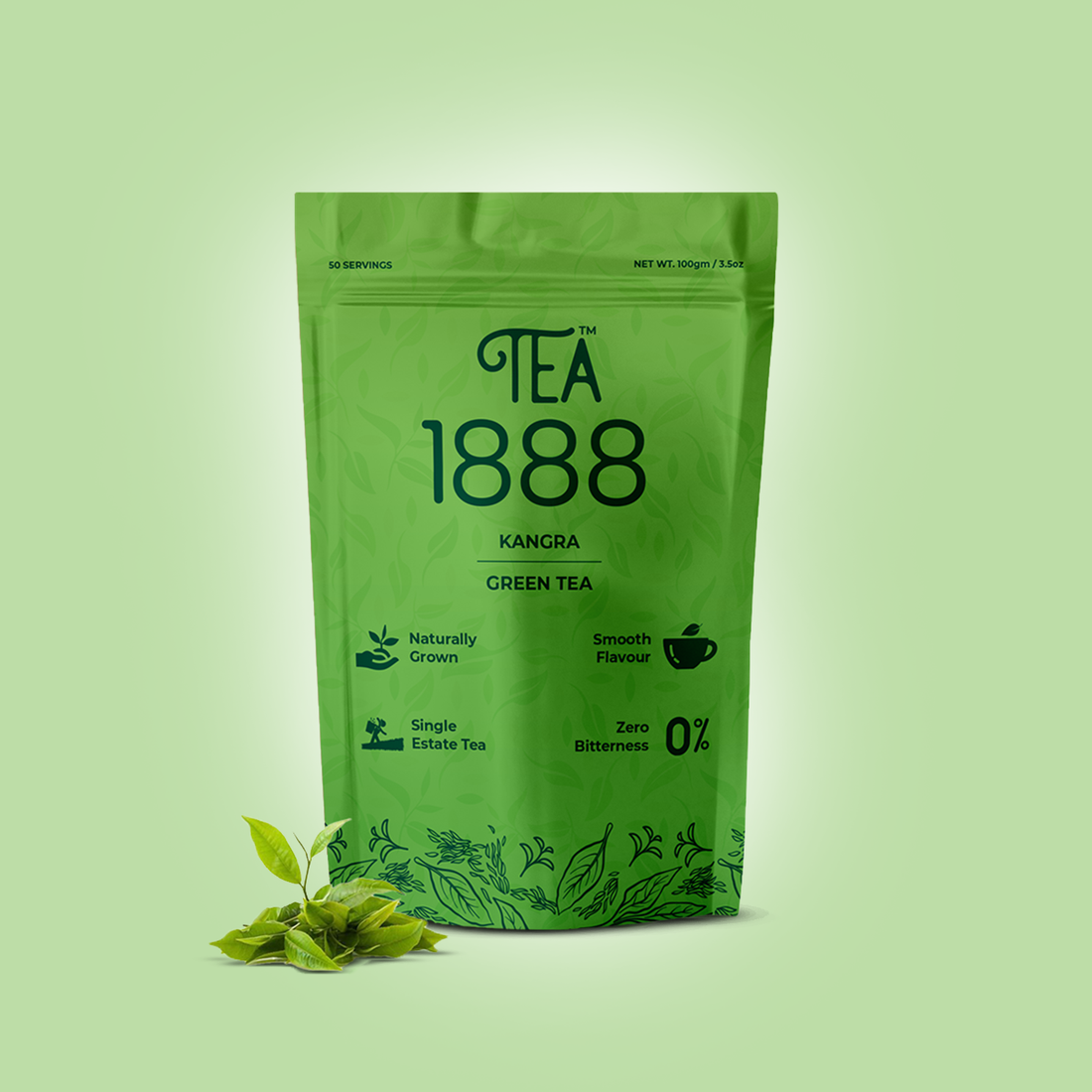
Choose certified organic varieties to avoid harmful pesticides. First flush teas, harvested in spring, contain richer nutrients. Whole leaf options preserve more beneficial compounds than processed alternatives. Kangra green tea meets these quality standards and is organic, first flush, and handcrafted from whole leaves.
What to add and what to avoid
Water between 160-185°F works best for brewing, never boiling, to preserve catechins. Steep for two to three minutes only. Lemon or ginger can enhance absorption and taste. Milk binds with catechins and reduces antioxidant potential, so skip it. You should wait at least one hour after meals before drinking to prevent iron absorption interference.

Beyond weight loss: Other health benefits of green tea
Green tea for weight loss attracts a lot of attention. Still, the beverage delivers substantial health advantages that extend way beyond fat reduction.
Improved heart health
Green tea consumption reduces cardiovascular disease risk through multiple pathways by a lot. Studies show it lowers LDL cholesterol by 5.80 mg/dL and total cholesterol by 7.62 mg/dL. Blood pressure decreases as well, with reductions of 0.87 mmHg in diastolic pressure. Consuming seven or more cups daily reduces all-cause mortality risk by 62% in stroke survivors and 53% in those with a myocardial infarction history. The EGCG compound binds to protein plaques in blood vessels. It converts them into smaller soluble molecules that pose less danger.
Better brain function
Regular consumption is associated with 33% to 47% lower cognitive impairment risk and 25% to 29% reduced dementia risk. Three cups daily result in 3% fewer white matter lesions. Seven to eight cups produce 6% fewer lesions. Studies demonstrate improvements in memory and attention, especially when you have EGCG combined with L-theanine.
Blood sugar regulation
Green tea improves fasting blood glucose and glycated haemoglobin in type 2 diabetes patients. Catechins enhance insulin sensitivity and slow carbohydrate absorption, which prevents blood sugar spikes.
Antioxidant protection
EGCG neutralises reactive oxygen and nitrogen species, which protects cells throughout your body. This antioxidant activity supports the prevention of various cancers and reduces oxidative stress markers.
Conclusion
Green tea does support weight loss, but the effects are modest. You can expect to lose approximately 0.5 to 1.3 kg over twelve weeks with regular consumption of three to five cups daily. The metabolic boost is genuine, yet it won't replace the fundamentals of weight management. Green tea works best when paired with a balanced diet and regular exercise. Choose quality whole leaf varieties and drink at optimal times to maximise the benefits beyond just weight loss.
FAQs
Q1. How much green tea should I drink daily for weight loss? For optimal results, consume 3 to 5 cups of green tea daily. This amount provides 600 to 900 mg of catechins and can help you burn an additional 75-100 calories per day. Drinking more than this may cause restlessness or acidity, so it's best to stick within this range.
Q2. When is the best time to drink green tea to maximise fat burning? The most effective time is before exercise, as it can increase fat burning by up to 17%. Morning consumption, about one to two hours after breakfast, is also beneficial. Avoid drinking it on an empty stomach or within two to three hours of bedtime, as the caffeine content may disrupt sleep.
Q3. Can green tea alone help me lose belly fat? Green tea alone won't significantly reduce belly fat. Whilst it contains compounds that boost metabolism by 3-4%, maintaining a calorie deficit through proper diet and regular exercise remains essential. Green tea works best as a supporting element within a comprehensive weight management strategy.
Q4. What should I add to green tea to enhance its weight loss benefits? Add lemon or ginger to enhance absorption and taste. Brew with water between 160-185°F and steep for only two to three minutes. Avoid adding milk, as it binds with catechins and reduces the antioxidant potential. Never use boiling water, as it destroys beneficial compounds.
Q5. What other health benefits does green tea provide besides weight loss? Green tea offers numerous health benefits, including improved heart health by lowering cholesterol and blood pressure, better brain function with reduced cognitive impairment risk, improved blood sugar regulation for diabetes management, and powerful antioxidant protection that supports overall cellular health.