

India is the second-largest tea producer in the world, and the best tea flavours in India reflect this rich heritage. In fact, tea is the second most-consumed drink globally. With an estimated 1,500 different types of tea, you have endless options to explore. The variety of tea available spans six main categories and ranges from strong Assam blends to delicate Darjeeling brews. This piece walks you through 13 must-try tea varieties in India. It covers traditional favourites and modern wellness-focused options that help you understand the variety of tea types in India and their unique characteristics.
Key Takeaways
India's diverse tea landscape offers 13 distinct varieties, each with unique flavour profiles, health benefits, and cultural significance to match every preference and occasion.
- Masala Chai remains India's cultural cornerstone - This spiced blend with cardamom, ginger, and cinnamon creates social connections and daily rituals across all regions.
- Regional terroir shapes distinct tea characters - Assam delivers robust maltiness, Darjeeling offers delicate muscatel notes, while Nilgiri provides bright citrusy freshness.
- Herbal teas provide targeted wellness benefits - Tulsi reduces stress naturally, ginger fights inflammation, and chamomile-lavender promotes restful sleep without caffeine.
- Brewing temperature determines flavour quality - Green tea requires 71-82°C to avoid bitterness, while Darjeeling needs 80-90°C for optimal extraction.
- Traditional preparation methods enhance therapeutic effects - Kashmiri Kahwa's samovar brewing and mint tea's post-meal timing maximise both flavour and health benefits.
Whether you seek energising morning blends, afternoon refreshment, or evening relaxation, India's tea varieties offer scientifically backed health benefits alongside rich cultural traditions. Start with familiar options like Masala Chai, then explore herbal varieties to discover your perfect daily ritual.

Masala Chai: The Soul of Indian Tea Culture
Masala chai, translating to "spiced tea," represents one of the best tea flavours in India and holds an irreplaceable position in the country's beverage culture. This robust blend combines black tea with milk, sugar and a crafted mixture of aromatic spices. The result is a bold and fragrant brew that has become synonymous with Indian hospitality.
Spice Blend Variations
The magic of masala chai lies in its spice composition, which varies across regions and households. Cardamom serves as the star ingredient and adds sweet and floral notes that define the chai's character. Ginger brings zesty warmth and digestive benefits, while cinnamon contributes depth and subtle sweetness. Cloves add a warming, bitter element that balances the sweeter spices. Black peppercorns provide heat with fruity undertones. Regional priorities shape distinct variations among tea types. North India favours bold black tea with ginger and cardamom, adding fresh mint leaves occasionally. Gujarat's version incorporates black pepper to invigorate, while Bengal showcases cloves and cinnamon. South Indian masala chai leans on fresh ginger and black pepper, suited to warmer climates. Optional additions include nutmeg, fennel seeds, star anise and mace. However, each household develops its signature blend through years of practice.
Traditional vs Modern Recipes
Traditional brewing involves boiling loose tea leaves directly with water, spices, milk and sugar on the stovetop. Timing relies on sound, colour and aroma rather than precise measurements. The process engages all senses: ginger sizzling in boiling water, milk turning the liquid caramel brown, and the fragrance of cardamom filling the room. Chaiwalas stretch the chai in dramatic pours between vessels and aerate it while creating froth. Modern chai puts convenience first. Ready-to-drink mixes and tea bags deliver chai in minutes and fit naturally into busy schedules. Cafe culture has introduced "dirty chai," which combines traditional spices with espresso shots. At the same time, plant-based milk options cater to dietary priorities. Despite these innovations, traditional methods encourage bonding and presence that quick preparations cannot replicate.

Daily Ritual and Cultural Significance
Chai appears naturally throughout the day and makes mornings feel real while helping evenings settle. It creates a connection without performance and offers warmth during gatherings and celebrations. Chai stalls serve as cultural hubs where strangers become friends and communities thrive. This variety of tea goes beyond being merely a beverage. It functions as an emotional habit shaped by flavour and familiarity, remaining deeply woven into daily routines across India.
Assam Tea: Strong Breakfast Companion
Grown in the fertile plains of Northeast India, Assam tea stands out among tea varieties in India for its robust character and exceptional strength. This black tea produces a bright, coppery infusion known worldwide for its bold flavour and brisk profile. It's an ideal choice for breakfast blends.
Rich Malty Character
The defining feature of Assam tea lies in its distinctive maltiness, a characteristic taste like baked bread or grains. This unique flavour profile comes from the Camellia sinensis var. assamica plant, which has larger leaves and higher caffeine content than Chinese tea varieties. The result is a stronger brew with fuller texture. The flavour lasts long on the palate. Assam tea reveals earthy background notes like wet soil or autumn leaves beyond its malt-like richness. These tones change into caramel or molasses-like sweetness when brewed right. Some varieties capture honey-like flavours that complement the tea's strength with moderate sweetness. The second flush harvest, picked during peak summer months, delivers coppery tips and a robust body. Rich malt combines with subtle honey notes.
CTC vs Orthodox Varieties
Two distinct processing methods create different expressions of this best tea flavour. Orthodox production maintains the leaf's integrity through traditional plucking, withering, rolling, oxidation and drying. This careful rolling produces complex flavours and a delicate character. Global tea markets prize it. CTC (Crush, Tear, Curl) processing passes fresh leaves through cylindrical rollers with sharp teeth. The process creates small, hard pellets in just two hours. Orthodox teas offer authentic experiences with flavour complexity. At the same time, CTC produces one-dimensional, bold liquor with pungent astringency and bright colour. CTC varieties accommodate milk and lemon additions far better than orthodox teas.

Pairing with Milk and Sugar
Assam tea holds up well to milk and sugar without losing its identity. The high natural tannins and stronger liquor created by tropical growth conditions ensure the tea maintains its character even when paired with condiments. Add milk after the tea has fully infused for optimal results, as adding milk first cools the water and reduces flavour extraction. Those preferring creamier tea can use only milk, while lighter versions call for more water.
Darjeeling Tea: Elegant Mountain Brew
Often called the "Champagne of Teas," Darjeeling represents one of the most refined tea flavours available among tea types in India. This delicate black tea grows in the misty Himalayan foothills of West Bengal at altitudes between 600 and 2,000 meters. It delivers a sophisticated taste experience that sets it apart from bolder varieties.
First Flush vs Second Flush
A flush refers to the seasonal harvest of new leaf growth. Darjeeling's distinct flushes produce remarkably different cups. First Flush arrives in late February through April and yields the year's earliest and most delicate leaves. These tender shoots create a pale gold liquor with fresh, floral and herbaceous character paired with lively briskness. The leaves remain greenish and contain higher levels of catechins, antioxidants and caffeine as the plants awaken from winter dormancy. Second Flush gets harvested during May and June. It follows a period of growth in warmer temperatures and increased sunlight. These more mature leaves produce amber-colored liquor with fuller body and deeper complexity. First Flush teas offer explosive aromatics with lighter flavour and colour. Second Flush delivers pronounced depth that many collectors prize.
Muscatel Notes Explained
The signature muscatel character emerges during Second Flush exclusively. It creates a grape-like sweetness reminiscent of muscat grapes. This prized flavour develops through a unique biochemical process. Tea green flies attack the bushes and trigger the release of phytoalexin as a defence mechanism. The resulting profile combines honey-like sweetness with stone-fruit notes, tropical citrus hints and mild floral tones. Only a small percentage of global tea develops true muscatel character. This explains why authentic Second Flush Darjeeling commands premium prices.

Brewing Without Milk
Darjeeling just needs gentle treatment to preserve its nuanced flavours. Brew First Flush at 80-85°C for 2-3 minutes. Second Flush handles higher temperatures of 85-90°C for a similar duration. Skip the milk. Darjeeling's delicate floral and fruity notes shine best when enjoyed pure. You can add honey or lemon if desired, though tasting it plain first reveals the craftsmanship behind these leaves.
Green Tea Varieties: Health-Focused Choice
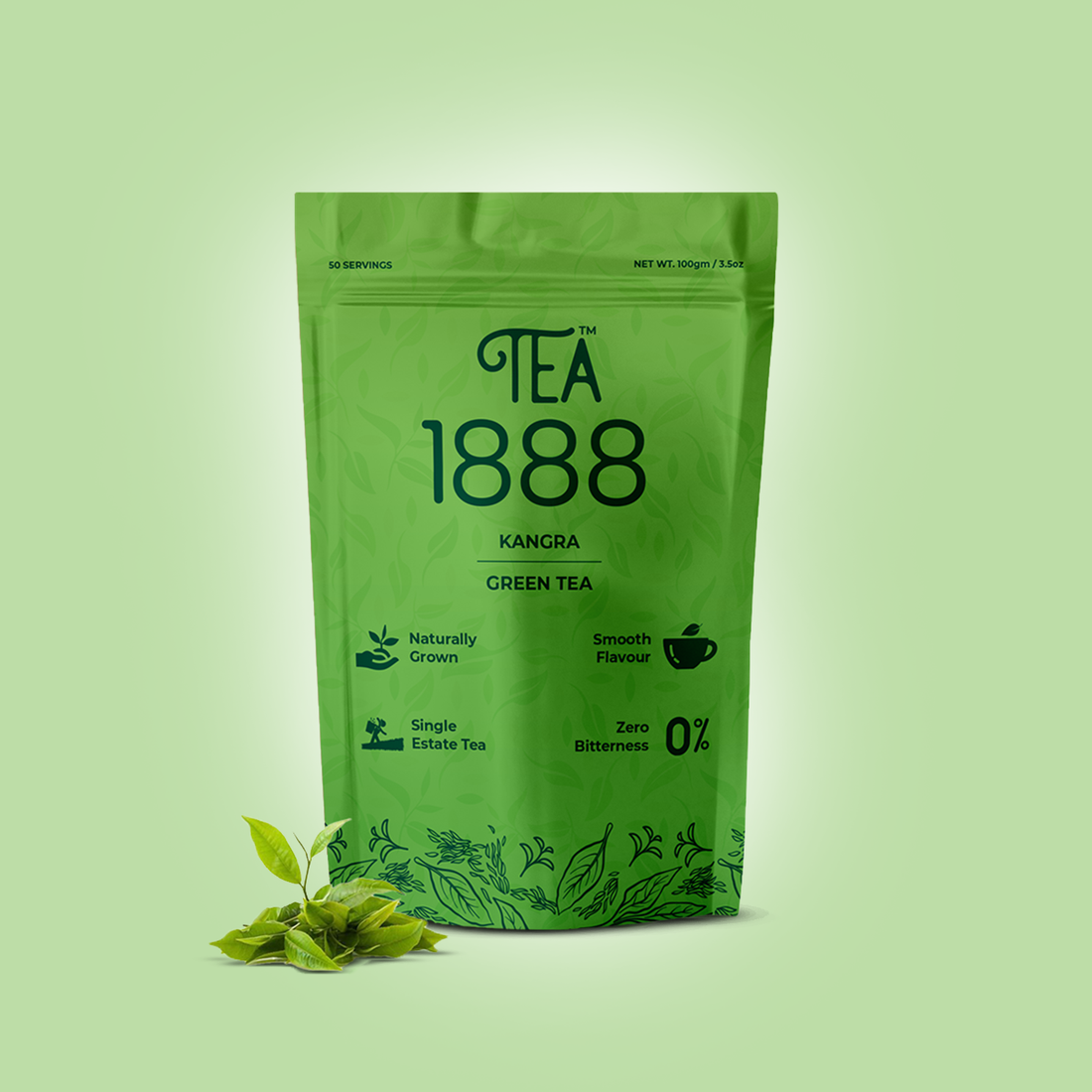
Green tea originates from the same Camellia sinensis plant as black varieties but skips fermentation and oxidation processes. This preserves higher levels of beneficial compounds. Minimal processing makes it a top choice for health-conscious consumers who want both taste and wellness benefits.
Popular Green Tea Types in India
Indian tea estates in Darjeeling and Assam produce superior quality green tea varieties. Darjeeling gardens craft speciality options such as Sencha, Green Delight and Green Pearls. Some estates produce exceptional organic varieties. These teas offer delicate flavours with floral and grassy notes when grown in high-altitude Himalayan regions. Popular types available include Matcha (finely crushed powder valued for creamy texture), Gunpowder (rolled into tight granules with smoky flavour) and Japanese Sencha (bright, grassy character with slight bitterness).
Catechins and Metabolism Boost
Catechins account for approximately 40% of green tea's dry weight. Epigallocatechin-3-gallate (EGCG) is the most abundant and studied compound. These polyphenol antioxidants stimulate thermogenesis and hepatic fat oxidation while reducing intestinal lipid absorption. Research indicates green tea catechins boost fat oxidation, energy expenditure and insulin sensitivity. This contributes to lower body weight, BMI and waist circumference. Studies show daily consumption may reduce risks of Type 2 diabetes, coronary heart disease and certain cancers. The recommended intake ranges from three to five cups daily for optimal health benefits.

Optimal Brewing Temperature
Temperature control determines whether your cup tastes balanced or bitter. The optimal range falls between 71°C and 82°C. Water exceeding this range burns delicate leaves and releases excessive tannins that create bitter, astringent flavours. This overshadows natural sweetness. Water below this threshold produces a weak flavour with reduced aroma and fewer extracted antioxidants. Steep leaves for 2-3 minutes, depending on variety. Remove them to prevent bitterness.
Nilgiri Tea: South India's Fragrant Treasure
Nestled in the Blue Mountains of South India, Nilgiri tea offers a distinctive profile among tea types in India that bridges the boldness of Assam with the delicacy of Darjeeling. Most production happens in Tamil Nadu's Nilgiris district, with smaller areas extending into Kerala and Karnataka. This variety brings together briskness and fragrance in a balanced cup.
Brisk and Aromatic Profile
Nilgiri tea produces a bright, golden-yellow liquor with exceptional clarity when brewed. The flavour profile features citrus and floral notes. It creates a light yet full-bodied experience that distinguishes it from other Indian varieties. Assam carries high tannins and muscular strength. Nilgiri presents low tannin content paired with minimal astringency and a clean finish. The taste begins with gentle sweetness that evolves into fresh citrus reminiscent of orange or lemon zest. Floral undertones like jasmine or mountain wildflowers go together with the citrus notes. A subtle nuttiness rounds out the finish and leaves lingering sweetness rather than bitterness. The region's eucalyptus trees and nearby spice cultivation may contribute to the tea's distinctive fruity, minty character and briskness.

Versatility in Hot and Iced Forms
The low tannin content and natural bright character make Nilgiri exceptional for iced tea applications. It does not cloud when cooled. This clarity property, problematic with high-tannin varieties like Assam, explains why global commercial brands such as Nestea use Nilgiri tea in their iced tea products. You can enjoy it plain, with a slice of lemon, or over ice with fresh mint. The tea's balanced blend of flavour and body has earned it the reputation as a "blender's dream". It finds its way into masala chai and global tea brands.
Growing Region and Climate
Tea estates span elevations between 1,000 and 2,500 meters above sea level within the Western Ghats mountain range. The region benefits from dual monsoons and receives rainfall from both southwest (June-September) and northeast (October-November) patterns. This alternating fog, rain, and sunshine, combined with lateritic loam soil, creates conditions that allow year-round tea production.
Kashmiri Kahwa: Saffron-Spiced Luxury
Kashmiri Kahwa holds cultural reverence beyond being one of the best tea flavours in India. This traditional beverage symbolises hospitality and warmth in Kashmiri culture. It is served at weddings and festivals as a welcoming gesture. The saffron-infused brew offers warmth suited to the cold mountain climate. It functions both as a daily tonic and a ceremonial drink.
Authentic Ingredients List
The foundation begins with green tea leaves, preferably Kashmiri varieties, though any quality green tea works. Saffron stands as the signature ingredient. Recipes typically call for 10-12 strands. Whole spices are the aromatic foundation: green cardamom (2 pods), cinnamon (2-inch piece) and cloves (2-4 pieces). Almonds, either slivered or chopped, add texture and nutrition. Dried rose petals (5-6) contribute floral sweetness. Some variations include walnuts or cashews in place of almonds.
Samovar Brewing Tradition
Authentic preparation employs a samovar, a traditional copper kettle with engraved calligraphic motifs. The design features a central chamber holding burning charcoal. A top container for tea leaves, spices and water is heated by the coals below. These vessels represent cultural significance as objects of art, embellished with stylised almonds and chinar leaves. Traditional samovars keep large batches warm throughout the day, while home preparation works just as well in regular pans. The vital technique involves steeping rather than boiling green tea at 80-82°C for 2-3 minutes to avoid bitterness.

Winter Warmth and Digestion
The spice combination generates body warmth naturally and helps enhance blood circulation during cold months. Cardamom and cinnamon support digestion. They soothe the digestive tract and reduce bloating. The antioxidants from green tea and saffron help strengthen immunity, while the calming aroma reduces stress and promotes mental clarity.
Tulsi Tea: Adaptogenic Wonder
Revered in Ayurvedic medicine for centuries, Tulsi (Ocimum sanctum) stands among the best tea flavours for wellness-oriented consumers seeking natural stress relief. Known as Holy Basil, this caffeine-free herbal infusion delivers therapeutic benefits through its classification as an adaptogen and helps your body respond to physical, emotional and environmental stressors.
Three Types of Tulsi
Ayurvedic traditions recognise three distinct varieties. Each offers unique characteristics. Rama Tulsi features green leaves with light purple flowers and a clove-like scent. It delivers a mellow flavour profile with soothing and aromatic qualities. Krishna Tulsi presents purple-fringed leaves and stems. This variety creates a peppery taste with warming and purifying properties. Practitioners have used it for respiratory issues and infections. Vana Tulsi grows wild in India and Sri Lanka. It displays light green leaves with a lemony aroma and flavour that provides uplifting effects and sweet notes.
Stress Management Properties
The adaptogenic mechanism works by regulating cortisol and balancing the nervous system. Clinical research demonstrates that Tulsi substantially improves stress scores, sleep problems and symptoms such as forgetfulness and exhaustion. Three key compounds drive these effects: eugenol provides the signature sweet-floral scent, and ursolic acid promotes feelings of calm and well-being. Rosemarinic acid delivers powerful antioxidant properties. Studies reveal that Tulsi exhibits anti-anxiety and anti-depressant properties comparable to pharmaceutical medications.

Caffeine-Free Immunity Support
This herbal tea strengthens immune defences without caffeine's stimulating effects. Research shows increased Natural Killer cells and T-helper cells in healthy adults after four weeks of consumption. The antimicrobial and antiviral properties protect against common pathogens. Immunomodulatory effects support adaptive immune responses. Taking Tulsi tea on an empty stomach maximises immune benefits.
Ginger Tea: Medicinal Powerhouse
Ginger tea derives its therapeutic power from bioactive compounds, including gingerol and shogaol. This makes it a functional choice among tea types in India for those seeking natural remedies. These compounds inhibit COX2 and LOX inflammatory pathways and prevent arachidonic acid metabolism without the negative effects on stomach mucosa associated with NSAID medications. Research demonstrates that ginger's effectiveness matches or exceeds that of over-the-counter pain relief medications. It reduces symptoms in conditions such as arthritis, muscle soreness and chronic inflammation.
Anti-Inflammatory Benefits
The anti-inflammatory mechanism works through suppression of nuclear factor kappa B (NF-κB), TNF-α and several proinflammatory cytokines, including IL-6 and IL-1β. Specific compounds like 6-shogaol, zingerone and 8-shogaol show promising results in reducing arthritis symptoms in both human and animal models. Gingerol consumption decreases hepatic inflammation markers after high-fat diet intake. This makes ginger tea valuable for managing chronic conditions without pharmaceutical side effects.

Cold and Flu Relief
Ginger's anti-inflammatory action provides relief from respiratory infections through antiviral and antibacterial properties. The tea helps prevent colds and soothes sore throats. It reduces pharyngitis by calming inflammation at the back of the throat. Ginger tea eases congestion and relaxes airway muscles. It clears mucus while promoting better circulation in the respiratory tract. The warming effect aids faster recovery from colds, flu and bronchitis. Honey and ginger together exhibit stronger antimicrobial effects.
Simple Preparation Method
Wash and scrub fresh ginger root, then slice or grate it. Bring one cup of water per serving to a rolling boil, add ginger and simmer for 3-4 minutes if grated or 5-6 minutes if sliced. The tea turns slightly yellow when ready. Strain and add lemon or honey if desired. Consume up to 4 grams daily in the morning to boost metabolism and prevent nausea.
Lemon Ginger Tea: Detox Fusion
Combining lemon with ginger creates a caffeine-free infusion that amplifies the individual benefits of both ingredients. This fusion delivers vitamin C from lemon among ginger's gingerol compounds, supporting immune function and reducing inflammation. The pairing helps digestion through multiple pathways: ginger stimulates digestive enzymes and bile production. In contrast, lemon's limonene helps move food through your digestive tract. Research shows this combination supports weight loss by reducing hunger and improving insulin resistance. The tea provides relief from nausea during pregnancy and chemotherapy, along with pain reduction for inflammation-related conditions.
Combined Health Benefits
The mutually beneficial effect extends to detoxification support, though clarification matters. This beverage doesn't cleanse or replace meals. Instead, it supports your liver's natural detox processes through hydration and antioxidant intake. Lemon helps bile production while ginger promotes circulation. Your body's existing elimination systems function better as a result.

Morning Detox Ritual
Starting your day with this tea jumpstarts digestion and hydration. Steep fresh grated ginger in boiling water for 20 minutes, add lemon juice, and consume first thing in the morning. You can prepare concentrated batches and refrigerate them to last two weeks.
Recipe Variations
To name just one example, add turmeric and black pepper to boost anti-inflammatory properties. Cinnamon contributes antimicrobial effects and blood sugar balance, while cayenne pepper stimulates circulation and metabolism. Honey provides natural sweetness with additional antimicrobial benefits.
Chamomile Lavender Tea: Sleep Enhancer
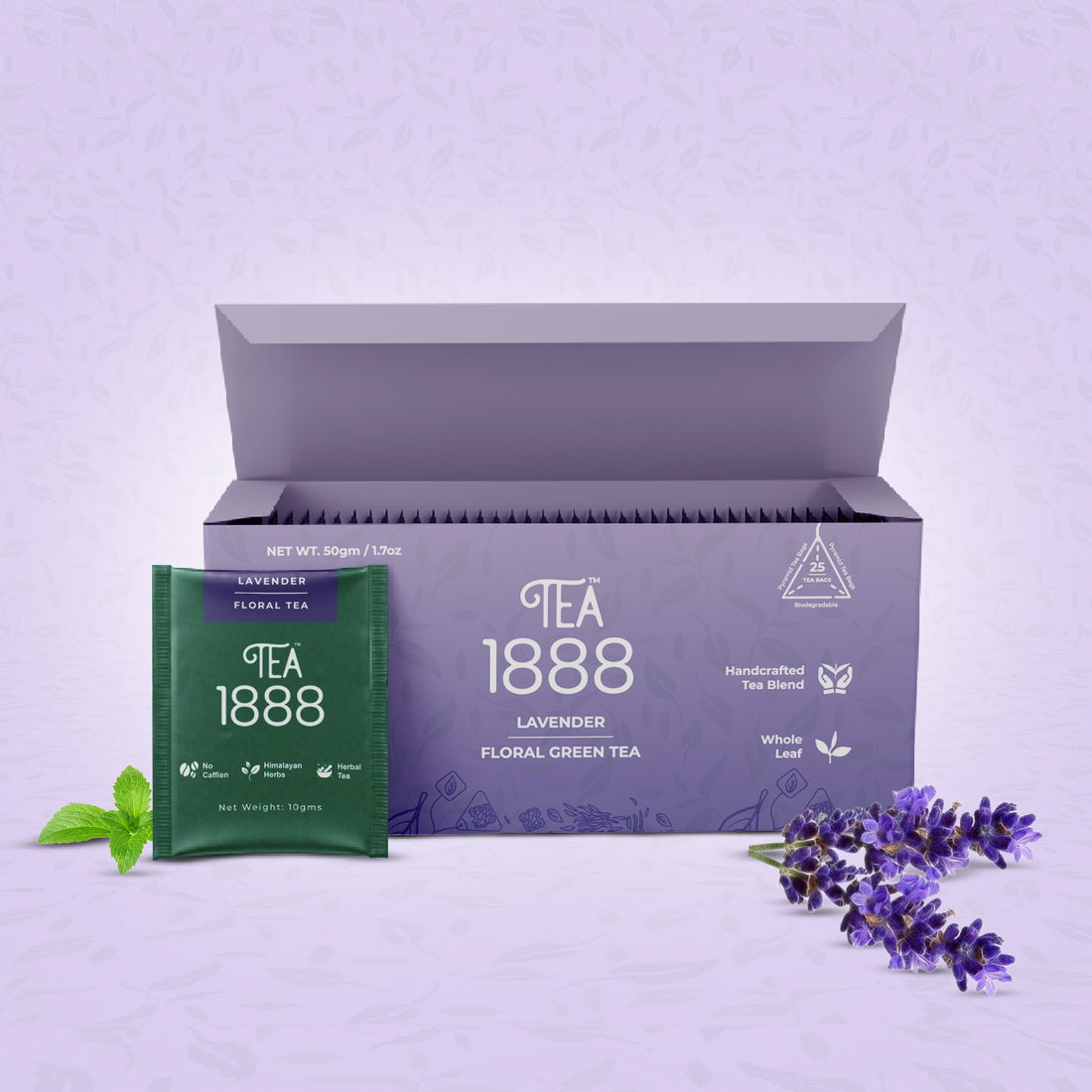
This floral infusion pairs two botanicals recognised for centuries as natural sleep supporters and creates one of the best tea flavours for evening relaxation. Chamomile and lavender work through different mechanisms to promote restful sleep without the stimulating effects of caffeine.
Calming Flower Combination
Chamomile contains apigenin, an antioxidant that binds to the brain's receptors and reduces anxiety while inducing sleepiness. This compound affects GABA receptors to help reduce anxiety and increase calmness. Chamomile calms the nervous system through chemical action. Lavender works through scent. Its floral aroma interacts with the limbic system, the brain region that controls emotions and mood. Studies suggest both flowers reduce cortisol, the stress hormone, and support emotional balance.

Bedtime Ritual Benefits
Preparing and drinking this tea creates a signal to your brain that sleep is approaching. A calming habit repeated before bed triggers a conditioned response in the brain and signals safety and relaxation. View chamomile lavender tea as one piece of a larger nighttime routine rather than a standalone fix.
Natural Sleep Help
Drink this infusion 30 to 60 minutes before bedtime to help your body relax and prepare for sleep. Brew 2 to 3 teaspoons of flowers in 8 fluid ounces of water at around 200°F for 5 to 7 minutes. The combination helps you fall asleep faster and stay asleep longer while waking feeling refreshed.
Cardamom Tea: Aromatic Digestive
Known as elaichi throughout India, cardamom brings a distinctive sweet-spicy character to one of the best tea flavours for post-meal consumption. This aromatic spice has served medicinal purposes for centuries. Its strong, warm flavour profile creates depth in both traditional black and green tea preparations.
Elaichi's Role in Chai Culture
The most practised form of daily consumption throughout India involves crushing two to three cardamom pods and adding them to morning chai. You lightly crack the pods to expose seeds that carry the highest concentration of volatile oils. Cardamom goes in at the start of brewing to allow proper steeping with other spices. The natural oils stimulate digestive enzyme secretion and make it an excellent post-meal beverage. One cup of cardamom tea after heavy meals accelerates gastric emptying and reduces bloating through anti-spasmodic action. It also supports fat and protein breakdown.

Breath Freshening Properties
The antimicrobial compounds in cardamom inhibit oral bacteria responsible for bad breath and dental plaque formation. These compounds include 1,8-cineole, sabinene and limonene. Commercial breath fresheners mask odour, but cardamom tea reduces bacterial population at the source. Research shows cardamom extract disrupts bacteria that lead to gum disease and infections. Studies demonstrate a reduction in saliva bacteria counts.
Sweet and Spicy Balance
Cardamom carries an intense, slightly sweet flavour comparable to mint. It creates citrusy sweetness that brightens each cup. This balance makes it suitable to consume without added sugar.
Mint Tea: Digestive Refreshment
Mint tea stands among the best tea flavours for digestive comfort. It offers refreshing relief through its active compound menthol. This caffeine-free beverage relaxes gastrointestinal muscles and provides antispasmodic effects that ease bloating and cramping. Research with 726 people who had irritable bowel syndrome showed peppermint oil reduced symptoms by 40% after four weeks, compared to 24.3% with a placebo.
Pudina Chai Tradition
Pudina, as mint is known in India, holds a respected place in traditional tea culture. Indian households prepare pudina chai by adding fresh mint leaves to black tea with milk. This soothing beverage helps digestion. The preparation involves steeping 6-7 mint leaves in hot water for 10 minutes. Variations include combining it with green tea or enjoying it without milk after meals. The menthol compound soothes your digestive system and helps prevent acidity.

Cooling Effect in Summer
Mint acts as a natural coolant. It helps your body maintain a comfortable temperature during hot weather. The menthol provides refreshing effects on your skin and curbs summer lethargy and headaches. Mint leaves contain vitamin A, vitamin C, B-complex, phosphorus, and calcium with antibacterial properties.
Post-Meal Digestive Aid
Sipping mint tea after meals allows natural oils to improve bile flow and break down fats quickly. The antispasmodic action expels trapped gas and reduces bloating. Antimicrobial properties support a balanced gut microbiome.
Rose Tea: Romantic Floral Experience
Rose tea brings delicate floral sweetness to the spectrum of tea types in India. It's crafted from dried rose petals or buds. This caffeine-free beverage offers a sensory experience that combines visual beauty with wellness benefits, especially valued for skin health and emotional balance.
Gulkand and Rose Petal Infusion
Gulkand represents a traditional rose preserve made from fresh petals mixed with sugar. It forms a thick paste used in Indian sweets and beverages. This ayurvedic preparation contains vitamins A, C, and E, along with essential minerals like calcium and magnesium. Gulkand chai delivers cooling properties that soothe the gastrointestinal tract and relieve indigestion, bloating, and acidity. Regular rose tea steeps dried petals in hot water. Gulkand-based drinks incorporate this concentrated preserve for intensified flavour and therapeutic effects.
Skin Glow and Hydration
Rose petals contain antioxidants and anti-inflammatory compounds that support skin hydration, elasticity, and brightness. The high vitamin C content promotes collagen production and maintains skin elasticity while reducing wrinkles and fine lines. Regular consumption helps detoxify the body and supports skin regeneration from within. This promotes a clear, glowing complexion. The antioxidants protect skin from free radical damage and reduce signs of ageing.
Mood Uplifting Aroma
The pleasant scents of roses activate the olfactory system. This system connects to the limbic system that controls emotions and memory. Natural compounds in rose tea stimulate neurotransmitters like serotonin and dopamine, which are associated with happiness and well-being. This aromatherapy effect helps reduce stress and anxiety by lowering cortisol levels. Rose tea becomes suitable for evening relaxation and mindful tea rituals.
Comparison Table: 13 Best Tea Flavours in India
The table below provides a complete overview of India's most popular tea varieties and helps you understand their unique characteristics, origins and benefits. This comparison covers traditional favourites like Masala Chai and Assam Tea among wellness-focused options such as Green Tea and Tulsi Tea. Each variety offers distinct flavour profiles and health benefits suited to different priorities and occasions.
Tea Variety Comparison Table
| Tea Variety | Origin/Region | Flavor Profile | Key Ingredients/Components | Main Benefits | Brewing Temperature | Best Consumed | Caffeine Content |
|---|---|---|---|---|---|---|---|
| Masala Chai | Pan-India (regional variations) | Bold, fragrant, spiced | Black tea, milk, sugar, cardamom, ginger, cinnamon, cloves, black pepper | Digestive support, warmth, cultural connection | Not mentioned | Throughout the day, social gatherings | Contains caffeine |
| Assam Tea | Assam, Northeast India | Strong, malty, brisk with earthy notes | Camellia sinensis var. assamica, high tannins | Energy boost, robust breakfast companion | Not mentioned | Breakfast, with milk and sugar | High caffeine content |
| Darjeeling Tea | Darjeeling, West Bengal (600-2,000m altitude) | Delicate, floral, fruity with muscatel notes (Second Flush) | Camellia sinensis, catechins, antioxidants | Antioxidants, refined taste experience | 80-90°C (First Flush: 80-85°C, Second Flush: 85-90°C) | Without milk, plain or with honey/lemon | Contains caffeine |
| Green Tea | Darjeeling, Nilgiris, Assam | Delicate, floral, grassy, sweet | Catechins (40% dry weight), EGCG | Metabolism boost, weight management, reduced disease risk | 71-82°C | 3-5 cups daily for health benefits | Low caffeine |
| Nilgiri Tea | Nilgiri district (Tamil Nadu, Kerala, Karnataka) at 1,000-2,500m | Brisk, aromatic with citrus and floral notes | Low tannin content, natural brightness | Versatile for hot and iced tea, clean finish | Not mentioned | Hot or iced, any time of day | Contains caffeine |
| Kashmiri Kahwa | Kashmir | Saffron-infused, aromatic, sweet | Green tea, saffron (10-12 strands), cardamom, cinnamon, cloves, almonds, rose petals | Winter warmth, digestion, immunity, stress reduction | 80-82°C | Cold weather, weddings, festivals, gatherings | Low caffeine (green tea base) |
| Tulsi Tea | Pan-India (three varieties: Rama, Krishna, Vana) | Varies by type: mellow/clove-like (Rama), peppery (Krishna), lemony (Vana) | Eugenol, ursolic acid, rosemarinic acid | Stress management, immunity support, adaptogenic properties | Not mentioned | On empty stomach for immunity, any time for stress relief | Caffeine-free |
| Ginger Tea | Pan-India | Warming, spicy, pungent | Gingerol, shogaol | Anti-inflammatory, cold/flu relief, pain reduction | Boiling water, simmer 3-6 minutes | Morning for metabolism, up to 4g daily | Caffeine-free |
| Lemon Ginger Tea | Pan-India | Citrusy, warming, refreshing | Ginger (gingerol), lemon (vitamin C, limonene) | Digestion, weight loss support, immune function, nausea relief | Boiling water, steep 20 minutes | Morning detox ritual | Caffeine-free |
| Chamomile Lavender Tea | Not region-specific | Floral, calming, soothing | Chamomile (apigenin), lavender | Sleep enhancement, anxiety reduction, cortisol reduction | 200°F (93°C) | 30-60 minutes before bedtime | Caffeine-free |
| Cardamom Tea | Pan-India | Sweet-spicy, aromatic, citrusy | Cardamom (1,8-cineole, sabinene, limonene) | Digestive aid, breath freshening, antimicrobial | Not mentioned | Post-meal, morning chai | Depends on base tea |
| Mint Tea | Pan-India | Refreshing, cooling, minty | Menthol, vitamin A, vitamin C, B-complex | Digestive comfort, IBS relief, cooling effect | Hot water, steep 10 minutes | Post-meal, summer refreshment | Caffeine-free |
| Rose Tea | Pan-India | Delicate, floral, sweet | Rose petals, vitamins A, C, E, calcium, potassium, magnesium | Skin health, hydration, mood upliftment, stress reduction | Not mentioned | Evening relaxation, mindful tea rituals | Caffeine-free |
Conclusion
India's tea culture offers a remarkable variety. Learning about these 13 flavours helps you find options suited to your taste priorities and wellness goals. You might prefer the robust strength of Assam for energising mornings. Or perhaps the delicate refinement of Darjeeling for mindful moments appeals to you more. The therapeutic warmth of herbal infusions provides relaxation. Each variety delivers distinct experiences, and you can match your tea choice to specific occasions or health objectives. Start with familiar options such as Masala Chai. Then experiment with varieties outside your comfort zone gradually. Your perfect cup awaits somewhere in this collection and is ready to become part of your daily ritual.
FAQs
Q1. Which Indian tea variety is best for beginners? Masala Chai is an excellent starting point for tea beginners in India. This spiced black tea blend combines familiar flavours like cardamom, ginger, and cinnamon with milk and sugar, creating a bold yet approachable taste. Its widespread availability and cultural significance make it easy to find and enjoy across the country.
Q2. What makes Darjeeling tea different from other Indian teas? Darjeeling tea stands apart due to its delicate, refined character, often compared to champagne. Grown in the Himalayan foothills at high altitudes, it produces a light, floral cup with distinctive muscatel notes—a natural grape-like sweetness. Unlike robust varieties like Assam, Darjeeling is best enjoyed without milk to appreciate its subtle complexity.
Q3. Are there caffeine-free tea options with health benefits? Yes, several caffeine-free options offer significant health benefits. Tulsi tea provides adaptogenic stress relief and immune support, while ginger tea delivers anti-inflammatory properties and digestive comfort. Chamomile lavender tea promotes better sleep, and mint tea soothes digestive issues. These herbal infusions can be enjoyed any time without affecting sleep patterns.
Q4. How should I brew green tea to avoid bitterness? The key to avoiding bitter green tea is temperature control. Brew green tea between 71-82°C rather than boiling water, as excessive heat releases harsh tannins. Steep for only 2-3 minutes and remove the leaves promptly. Water that's too hot or steeping too long is the primary cause of unpleasant bitterness.
Q5. What tea is best for digestive health after meals? Cardamom tea and mint tea are excellent post-meal choices for digestive comfort. Cardamom stimulates digestive enzymes and reduces bloating through its natural oils. At the same time, mint's menthol content relaxes gastrointestinal muscles and enhances bile flow for better fat breakdown. Both varieties provide soothing relief from indigestion and can be enjoyed hot or at room temperature.