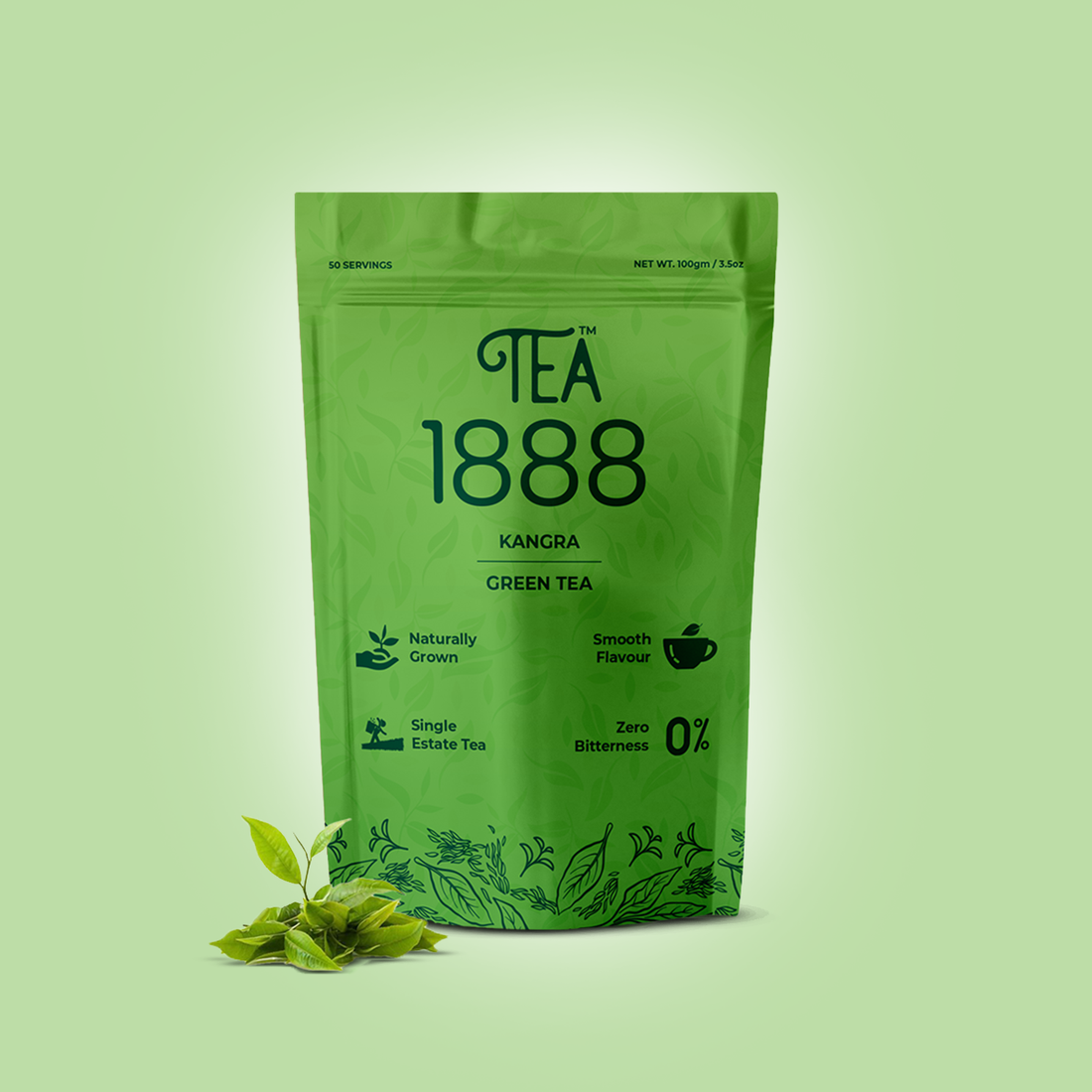


You take about 20,000 breaths each day, but how often do you think about your lung health until something goes wrong? The need for pollution detox has become crucial as environmental toxins keep challenging your respiratory system. Green tea proves to be a powerful natural friend to your lungs. People who drink at least two cups of green tea daily show better lung function than non-drinkers. On top of that, this time-tested beverage contains antioxidants that help reduce lung inflammation and support respiratory health in a simple yet effective way.
Green tea's rich polyphenol content, especially catechins, helps protect your lungs from environmental toxins. These compounds shield your lungs from damage through antioxidant and anti-inflammatory activities. A proper lung detox helps you breathe easier, boosts your energy levels, strengthens your immune system, and improves your quality of life. This piece will help you learn about pollution's effects on your respiratory system, green tea's role as a natural detox solution, and practical ways to add green tea blends to your daily routine for better lung health.
How pollution affects your lungs
The air we breathe carries more than just oxygen. Every breath might contain harmful substances that damage our lungs slowly. Our respiratory health needs pollution detox now more than ever due to this invisible threat.

What happens when you breathe polluted air
Toxins enter through your respiratory tract as you breathe polluted air. Your respiratory tract serves as the main gateway to air pollution exposure. These pollutants cause inflammation, oxidative stress, immunosuppression, and cell mutations throughout your body. Your bloodstream carries microscopic air pollutants deep into your lungs. These tiny particles then travel throughout your body.
This invasion doesn't just harm your lungs - it attacks your heart, brain, and other vital organs. Your lung function decreases with extended exposure to polluted air. You'll face more respiratory infections, and your existing conditions, like asthma, could get worse. Kids face greater risks because their lungs are still growing. About 80% of new alveoli develop from birth until they reach 6 years.
Common pollutants and their effect on lung tissue
These air pollutants pose the biggest threats:
- Fine particulate matter (PM2.5): These microscopic particles can penetrate deep into lung tissue, causing inflammation and scarring. Worldwide, fine PM is estimated to cause 3.3 million deaths per year.
- Nitrogen dioxide (NO2): This gas irritates and inflames airways, making breathing difficult. Children show reduced lung function growth when exposed to it.
- Ozone: Ground-level ozone damages your lung lining and causes chest tightness and wheezing. Your lung capacity drops, and pneumonia risks increase with high ozone levels.
- Sulphur dioxide: Your nose, throat, and lungs get irritated by this gas, leading to coughing and chest tightness.
Signs your lungs may be under stress
Your lungs might suffer from pollution before you notice any symptoms. Look out for these warning signs. Your persistent cough or throat irritation outdoors shows your lungs fighting irritants. You might notice shortness of breath during simple activities like climbing stairs - this suggests declining lung function. Exercise might trigger wheezing or chest tightness due to airway inflammation. Your body produces extra mucus to trap and remove pollutants. Your lungs' weakened defence system makes you prone to frequent respiratory infections. You might catch pneumonia or acute bronchitis more easily. Natural detox tips and lung health tea could help if these symptoms last, especially during poor air quality periods.
Why green tea is a powerful pollution detox
Green tea serves as nature's powerful shield against environmental toxins. This ancient beverage contains compounds that protect your respiratory system from pollution damage. Yes, it is a practical pollution detox solution available to everyone who keeps taking it.
Antioxidants that fight free radicals
Your green tea's protective power comes from its rich polyphenol content, especially catechins. Epigallocatechin-3-gallate (EGCG) leads the pack as the star performer. These catechins act as potent antioxidants and hunt down reactive oxygen species (ROS) like superoxide, hydrogen peroxide, and hydroxyl radicals. Pollution puts your lungs under oxidative stress, but green tea catechins neutralise these harmful free radicals before cell damage occurs. Studies show these compounds boost anti-oxidative enzymes in your blood and create a natural defence system against environmental toxicants. Green tea extract (GTE) also substantially reduces oxidative stress levels in airway cells exposed to fine dust particles.
Anti-inflammatory effects on lung tissue
Green tea provides impressive anti-inflammatory benefits to lung tissue alongside its antioxidant properties. GTE treatment reduces airway inflammation and resistance while softening pathological changes, including lung fibrosis. The protective mechanisms work comprehensively. Green tea blocks matrix metalloproteinases (MMPs) and apoptotic factors that pollution exposure triggers. It also decreases pro-inflammatory cytokines and lowers immunoglobulin E (IgE) levels—key markers of respiratory inflammation. These effects happen through changes in important cellular pathways, including the mitogen-activated protein kinase (MAPK) signalling pathway.
Scientific studies supporting green tea benefits
Research supporting green tea's lung-protective effects grows stronger each day. A Korean study revealed that people drinking green tea at least twice daily had a lower risk of COPD—14.1% compared to 5.9% for non-drinkers. Research with Taiwanese participants suggested that one cup of green tea daily might reduce lung cancer risk, especially for smokers. Lab studies show that green tea extract helps maintain lung function by increasing ciliated cells and boosting ciliogenesis in airways exposed to pollutants. Green tea employs these multiple protective mechanisms to offer a simple yet effective natural way to shield your lungs from daily pollution exposure.
Top green tea blends for lung health
Different green tea blends can help your respiratory health more than regular varieties. Each special blend brings something unique to help your body deal with pollution.
Classic green tea and its detox properties
Classic green tea makes an excellent lung health drink because it contains catechins. Studies show people who consume at least two cups daily have better lung function compared to non-drinkers. Green tea's powerful antioxidants reduce lung tissue inflammation. The tea's detoxifying compounds also help clean lungs affected by environmental pollutants.

Moringa Tulsi Green Tea: A powerful herbal combo
Moringa and tulsi create an exceptional lung detox drink together. Moringa packs over 90 nutrients and all essential amino acids, while tulsi naturally detoxifies your respiratory system. This potent blend cleanses lungs, cuts stress, and boosts immunity. You'll breathe better as this mix helps clear mucus from your airways.
Ginger green tea for respiratory relief
Green tea with ginger creates a natural shield against pollution damage. Ginger cleans toxins from your respiratory tract with its anti-inflammatory and antiviral properties. This blend works great to ease coughs, colds, and chest congestion. Research hints that ginger extracts might even fight lung cancer cells, which makes it valuable for smokers.
Lemongrass green tea for cleansing and hydration
Lemongrass green tea cleanses your body through its natural diuretic effects. Research shows it increases urine output more than other drinks, which helps flush out toxins. This refreshing blend helps cool your body and supports kidney function, whatever temperature you prefer. Its citral content fights infections while giving off a pleasant scent.
How to build a daily lung detox routine with tea
A well-laid-out tea routine is a practical way to protect yourself from pollution. The right timing of your daily tea can maximise its protective benefits for your lungs.
Morning: Start with green tea for an antioxidant boost
Your day should begin with a cup of green tea 1-2 hours after breakfast. This timing lets your body absorb its beneficial compounds effectively. Green tea's unique blend of L-theanine and caffeine creates a gentle alertness without coffee's typical jitters. This antioxidant boost helps prepare your lungs to handle daily pollution exposure.
Afternoon: Sip Moringa Tulsi or ginger tea
Let your lunch digest for 1-2 hours before you enjoy a cup of Moringa Tulsi or ginger green tea. This midday ritual maintains the detoxifying effect throughout your day. Ginger tea's anti-inflammatory properties support your respiratory system and clear mucus while reducing lung inflammation.
Evening: Wind down with chamomile or lemongrass tea
Nighttime calls for caffeine-free options like lemongrass tea. Its natural diuretic properties provide excellent cleansing benefits. This evening ritual creates precious moments of wellness and prepares your body for restful sleep.
Tips for brewing and consuming detox teas
The best results come from steeping green tea in water heated to 170–185°F for 3–5 minutes. Herbal blends need hotter water (200–212°F) and longer steeping times (5–7 minutes). Filtered water brings out the best flavour and medicinal benefits.
Pairing tea with other natural detox tips
Short walks after meals help digestion. Your body needs plenty of water during the detox period. Cut back on processed foods, sugary drinks, and alcohol. These practises are a great way to get more from your daily tea ritual and fight pollution.
Conclusion
Green tea acts as a natural shield against pollution's harmful effects on your respiratory system. Air pollutants can damage your lungs over time, but this ancient beverage provides protection through its rich antioxidant properties. These compounds neutralise free radicals before they can harm your lung tissue and reduce inflammation throughout your respiratory system. On top of that, it comes in different blends that help lung health in unique ways. Regular green tea gives you essential catechins. Herbal combinations with tulsi, moringa, ginger, or lemongrass improve its detoxifying effects.
Each blend plays a specific role to improve your respiratory wellness, from clearing mucus to supporting overall lung function. Making green tea part of your daily routine is a simple way to fight pollution. Your morning cup gives you an antioxidant boost that helps your lungs handle daily pollution exposure. An afternoon cup maintains this protection, and an evening herbal blend helps your body recover from environmental stress. You don't need to feel helpless against invisible threats in polluted environments.
Green tea is an available, natural solution that works well with other healthy habits like exercise and proper hydration. These daily practises build up your respiratory system's defences against pollution. Without doubt, drinking green tea regularly works better than having it once in a while. Having two or more cups daily provides the most important benefits. Research shows that regular drinkers have better lung function than those who don't drink green tea. This natural remedy works quietly while you go about your day. Note that your lung health affects your overall well-being. Most people don't think about their respiratory system until problems show up.
Green tea takes care of your lungs through a pleasant daily ritual that calms your mind and protects your body. This ancient wisdom, now supported by modern science, helps you breathe easier in today's polluted world.
Key Takeaways
Green tea emerges as a scientifically backed natural defence against pollution damage to your lungs, offering simple yet powerful protection through daily consumption.
- Green tea's antioxidants neutralise harmful free radicals from pollution before they damage lung tissue, with regular drinkers showing significantly better lung function
- Drinking at least two cups daily reduces COPD risk by over 8% and provides anti-inflammatory benefits that protect respiratory airways
- Specialised blends like Moringa Tulsi and ginger green tea offer enhanced detox properties, clearing mucus and reducing respiratory inflammation
- A structured daily routine—morning green tea, afternoon herbal blends, evening caffeine-free options—maximises lung protection throughout the day
- Proper brewing technique matters: steep green tea at 170-185°F for 3-5 minutes using filtered water for optimal antioxidant extraction
The evidence is clear: this ancient beverage provides modern protection against environmental toxins. Combined with proper hydration and healthy lifestyle choices, green tea offers an accessible pathway to stronger respiratory health in our increasingly polluted world.
FAQs
Q1. How effective is green tea in protecting the lungs from pollution? Green tea is highly effective in protecting the lungs from pollution due to its rich antioxidant content, particularly catechins. These compounds neutralise harmful free radicals and reduce inflammation in lung tissues, potentially improving lung function and respiratory health.
Q2. Can green tea help detoxify the lungs? While green tea cannot directly 'detoxify' lungs, it can support lung health by reducing inflammation and oxidative stress caused by pollutants. Regular consumption may help strengthen the respiratory system's natural defences against environmental toxins.
Q3. How much green tea should one drink for optimal lung protection? For optimal lung protection, aim to drink at least two cups of green tea daily. Research suggests that people who consume this amount experience better lung function compared to non-drinkers.
Q4. Are there specific green tea blends that are particularly beneficial for lung health? Yes, certain blends can offer additional benefits. Moringa Tulsi green tea provides excellent cleansing properties, while ginger green tea offers respiratory relief. Lemongrass green tea supports hydration and overall lung health.
Q5. Can green tea reverse lung damage caused by pollution? While green tea cannot reverse severe lung damage, regular consumption may help mitigate ongoing damage from pollution exposure. It supports overall lung health by reducing inflammation and oxidative stress, potentially slowing the progression of pollution-related lung issues.